
Balance is one of the most important factors that allows older adults to live independently and safely. As people age, natural changes in muscle strength, joint flexibility, coordination, and reaction time can make maintaining balance more difficult. This increases the risk of falls, injuries, and loss of confidence.
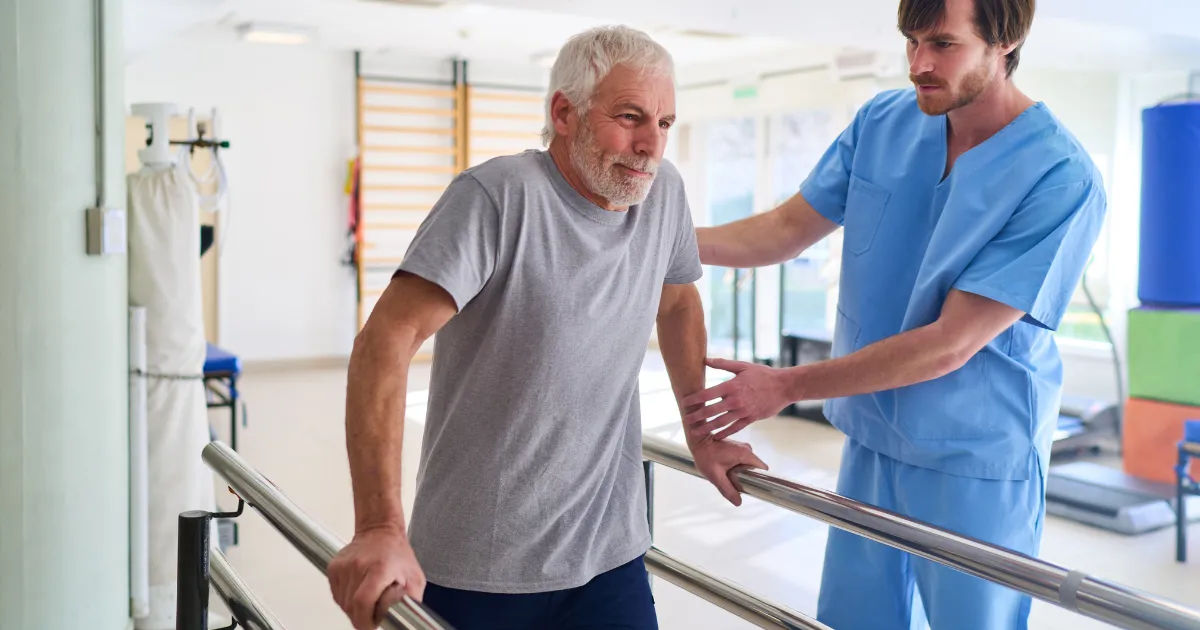
Geriatric physiotherapy at home Karachi is becoming an increasingly popular solution because it provides personalized rehabilitation and balance training in the comfort of an individual's home. With professional guidance and customized exercises, many seniors can improve stability, mobility, and overall quality of life while avoiding unnecessary travel to clinics.
Balance Problems in Older Adults
Balance is a complex function that depends on several body systems working together. These include the muscles, joints, inner ear, eyes, and nervous system. As these systems change with age, maintaining balance becomes more challenging.
Older adults often experience:
- Muscle weakness
- Reduced flexibility
- Joint stiffness
- Slower reflexes
- Poor posture
- Vision changes
- Inner ear disorders
- Chronic pain
- Arthritis
- Neurological conditions
When these issues combine, everyday activities such as walking, climbing stairs, or standing from a chair become more difficult.
Why Good Balance Matters
Good balance is essential for maintaining independence. It allows seniors to move around safely, perform daily activities, and continue enjoying social interactions.
Improved balance helps older adults:
- Reduce the risk of falls
- Walk with greater confidence
- Maintain independence
- Improve posture
- Increase physical activity
- Stay socially active
- Reduce fear of movement
- Improve overall well-being
Maintaining balance is not only about preventing falls but also about preserving confidence and quality of life.
How Aging Affects Balance
Several natural age-related changes contribute to balance problems.
Loss of Muscle Strength
Muscles naturally become weaker with age, especially in the legs and hips. Weak muscles make standing and walking less stable.
Reduced Joint Flexibility
Stiff joints reduce the body's ability to respond quickly to changes in position.
Slower Reaction Time
The nervous system processes information more slowly, making it harder to recover from sudden slips or trips.
Poor Vision
Vision plays a major role in balance. Reduced eyesight makes navigating uneven surfaces more difficult.
Inner Ear Changes
The vestibular system inside the ear helps control balance. Age-related changes may cause dizziness or instability.
How Home Physiotherapy Supports Better Balance
Receiving physiotherapy at home offers several advantages for older adults.
The physiotherapist assesses the home environment while evaluating the patient's mobility, posture, walking pattern, strength, and coordination. This allows treatment to focus on real-life situations that the patient experiences every day.
Exercises are tailored to individual needs instead of following a one-size-fits-all approach.
Personalized Assessment
Every senior has different health conditions and mobility challenges.
A physiotherapist usually evaluates:
- Walking ability
- Standing balance
- Muscle strength
- Joint movement
- Flexibility
- Coordination
- Fall history
- Medical conditions
- Medication effects
- Home safety
This detailed assessment helps create a customized treatment program.
Strength Training Improves Stability
Strong muscles provide better support for joints and improve body control.
Common strengthening exercises target:
- Quadriceps
- Hamstrings
- Hip muscles
- Calves
- Core muscles
- Ankles
These exercises gradually improve lower-body stability, making walking and standing easier.
Balance Exercises Used by Physiotherapists
Balance exercises are carefully selected according to the patient's ability.
Examples include:
Standing on Both Feet
This basic exercise improves posture and body awareness.
Weight Shifting
Patients learn to safely shift body weight from one leg to another.
Heel-to-Toe Walking
Walking in a straight line improves coordination and balance control.
Single-Leg Standing
Performed with proper support, this exercise strengthens stabilizing muscles.
Sit-to-Stand Practice
Repeatedly standing from a chair strengthens the legs and improves functional mobility.
Side Stepping
This develops lateral stability and strengthens hip muscles.
Improving Walking Pattern
Many seniors develop abnormal walking habits after pain, injury, or illness.
A physiotherapist evaluates:
- Walking speed
- Step length
- Foot placement
- Arm movement
- Body posture
- Turning ability
Correcting walking mechanics significantly improves balance and reduces fall risk.
Core Strength and Balance
Core muscles stabilize the spine and pelvis.
Weak core muscles often lead to:
- Poor posture
- Reduced stability
- Difficulty standing
- Increased fall risk
Core strengthening exercises improve body control during movement.
Flexibility Training
Tight muscles restrict movement and affect balance.
Stretching commonly targets:
- Hamstrings
- Calves
- Hip flexors
- Lower back
- Shoulders
Improved flexibility allows smoother and safer movement.
Posture Correction
Poor posture shifts the body's center of gravity, making falls more likely.
Physiotherapists teach:
- Proper standing posture
- Correct sitting position
- Safe lifting techniques
- Better walking posture
Small posture improvements often produce noticeable balance benefits.
Fall Prevention Education
Education is an important part of physiotherapy.
Patients and caregivers learn:
- Safe walking techniques
- Proper footwear selection
- Correct use of walking aids
- Safe transfers
- Home safety improvements
Knowledge helps prevent future accidents.
Home Environment Assessment
One advantage of home visits is identifying hazards that may increase fall risk.
Common recommendations include:
- Removing loose rugs
- Improving lighting
- Installing grab bars
- Organizing electrical cords
- Using non-slip bathroom mats
- Rearranging furniture for easier movement
These changes create a safer living environment.
Managing Chronic Conditions
Many medical conditions affect balance.
Physiotherapy helps individuals living with:
Arthritis
Joint pain and stiffness often reduce mobility. Exercise improves strength and flexibility.
Parkinson's Disease
Specialized exercises improve movement control and walking.
Stroke Recovery
Balance retraining helps restore mobility after neurological injury.
Osteoporosis
Safe exercise improves strength while reducing fracture risk.
Diabetes
Balance training addresses nerve damage affecting the feet.
Vestibular Rehabilitation
Some seniors experience dizziness due to inner ear disorders.
Vestibular rehabilitation includes specialized exercises that:
- Reduce dizziness
- Improve coordination
- Enhance visual stability
- Increase confidence during walking
These exercises are carefully supervised by trained physiotherapists.
Confidence Matters
Many older adults develop a fear of falling after experiencing one fall.
Fear often leads to:
- Less physical activity
- Muscle weakness
- Reduced independence
- Social isolation
Physiotherapy gradually rebuilds confidence through safe, supervised exercise.
Benefits of Home-Based Care
Receiving treatment at home offers several practical advantages.
Benefits include:
- Comfortable environment
- Individual attention
- Family involvement
- No transportation challenges
- Better adherence to exercise programs
- Personalized care
- Reduced stress
- Convenient scheduling
These advantages often improve treatment consistency.
The Role of Caregivers
Family members play an important role in rehabilitation.
Caregivers can help by:
- Encouraging regular exercise
- Monitoring safety
- Assisting with mobility
- Providing emotional support
- Helping follow home exercise routines
Their involvement often improves long-term outcomes.
How Long Does Balance Improvement Take?
Every patient progresses differently.
Several factors influence recovery:
- Age
- Overall health
- Existing medical conditions
- Exercise consistency
- Muscle strength
- Motivation
- Previous injuries
Some individuals notice improvements within a few weeks, while others require several months of ongoing therapy.
Lifestyle Habits That Support Better Balance
Physiotherapy works best when combined with healthy daily habits.
Older adults should focus on:
- Staying physically active
- Drinking enough water
- Eating a balanced diet
- Getting enough sleep
- Wearing supportive footwear
- Managing chronic illnesses
- Following medical advice
- Remaining socially engaged
These habits support overall health and mobility.
Signs That Physiotherapy May Be Helpful
Older adults should consider physiotherapy if they experience:
- Frequent falls
- Difficulty standing
- Unsteady walking
- Dizziness
- Weak legs
- Trouble climbing stairs
- Poor posture
- Reduced confidence while walking
- Difficulty getting out of bed or chairs
Early intervention often prevents further decline.
Frequently Asked Questions
Can physiotherapy completely eliminate fall risk?
No treatment can remove all risk, but physiotherapy can significantly reduce the likelihood of falls by improving strength, balance, coordination, and confidence.
Is home physiotherapy suitable for seniors with limited mobility?
Yes. Treatment plans are adapted to each individual's abilities and can begin with simple seated or supported exercises before progressing gradually.
How often should sessions be scheduled?
The frequency depends on the person's condition, goals, and recovery progress. A physiotherapist typically recommends a schedule after the initial assessment.
Is balance training safe for elderly patients?
When supervised by a qualified physiotherapist, balance exercises are designed to be safe and appropriate for the patient's current level of mobility.
Can family members participate?
Yes. Caregivers and family members are often encouraged to observe sessions and assist with prescribed home exercises to support consistent progress.
Conclusion
Balance is essential for maintaining independence, confidence, and overall well-being in later life. Age-related changes in muscles, joints, vision, and the nervous system can make everyday activities more challenging, but these difficulties do not have to limit an older adult's lifestyle. A personalized physiotherapy program can strengthen muscles, improve coordination, enhance posture, and reduce the risk of falls through targeted exercises and practical education.
Because treatment takes place in the familiar home environment, therapists can identify everyday challenges and recommend realistic solutions that improve safety and mobility. With regular participation, appropriate exercises, and support from caregivers, many seniors experience meaningful improvements in their balance and confidence. Geriatric physiotherapy at home Karachi offers a convenient, individualized approach that helps older adults remain active, independent, and safer while performing their daily activities, making it a valuable option for enhancing long-term health and quality of life.