
Truck art is one of the most colourful and meaningful forms of traditional art in Pakistan. It is famous for its bright colours, beautiful patterns, decorative designs, and poetic messages written on trucks, buses, and other vehicles. These decorations are not only meant to make vehicles attractive but also express emotions, cultural values, humour, love, and social messages. 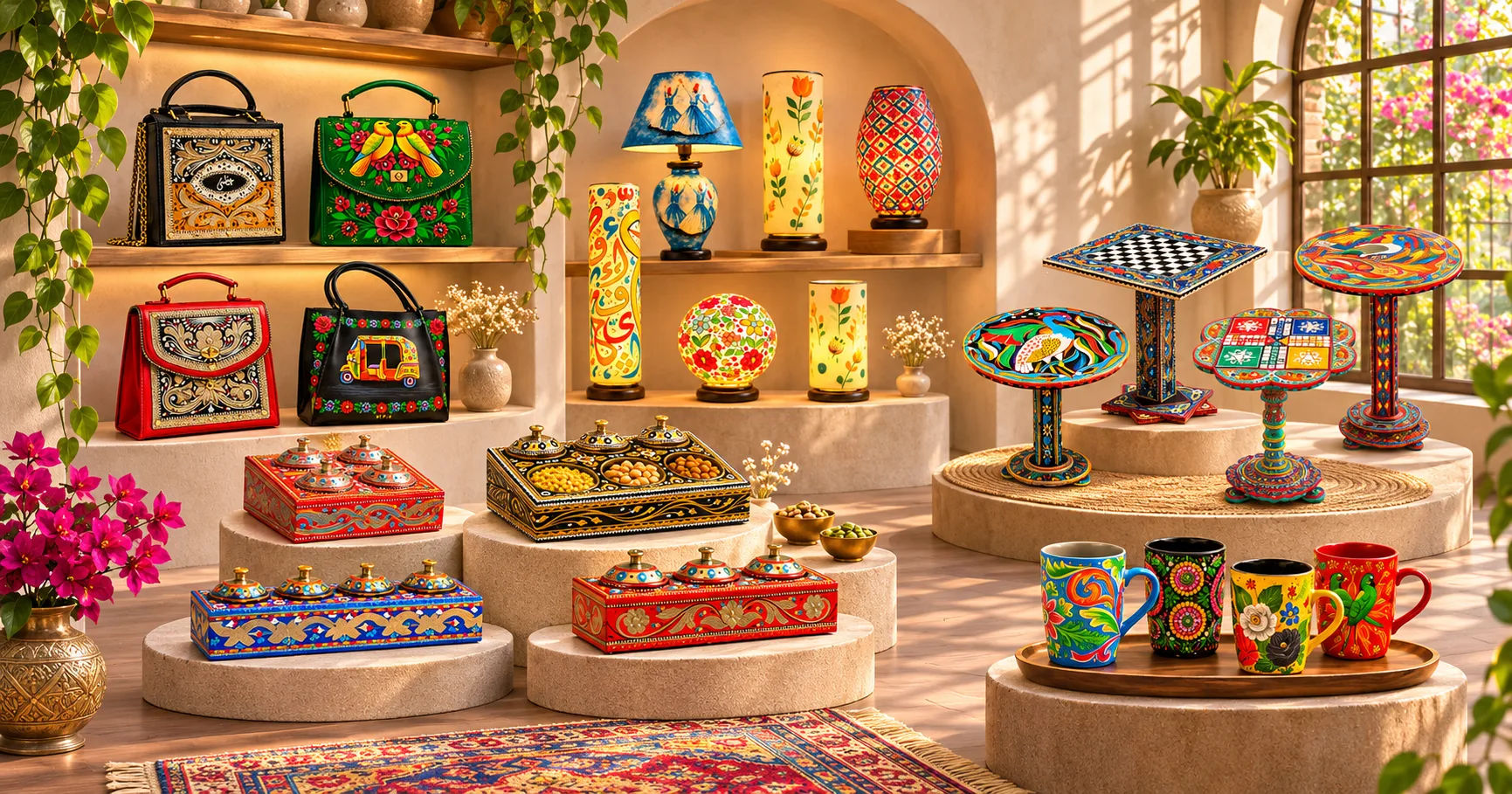 One of the most interesting features of truck art is the poetry painted on the back and sides of vehicles.
Poetry plays an important role in this artistic tradition because it allows drivers and artists to communicate feelings through short and memorable lines. These verses often reflect love, friendship, separation, family relationships, life experiences, and everyday struggles. Some messages are serious and emotional, while others are humorous and entertaining.
The poetry found in this art form is usually written in Urdu, Punjabi, Pashto, Sindhi, and other regional languages. It connects traditional literature with everyday life and makes ordinary vehicles look like moving collections of cultural expressions.
Understanding the poetry used in this art helps us discover the emotions, traditions, and creativity behind Pakistan's famous decorative vehicles.
Role of Poetry in Truck Art
Truck art Poetry is an important part of Pakistani vehicle decoration. It gives artists and drivers an opportunity to express thoughts that might otherwise remain unspoken.
Unlike traditional poetry found in books, these verses are displayed publicly. Thousands of people can read them while travelling, walking along roads, or waiting at traffic signals.
Most verses are short because they need to fit into limited spaces on vehicle bodies. Their language is usually simple, emotional, and easy to remember.
Some messages make people smile, while others encourage them to think about relationships, responsibilities, and the difficulties of life.
Why Is Poetry Written on Trucks?
There are several reasons why drivers choose to display poetry on their vehicles.
-
Emotional expression: Drivers use poetry to express feelings about love, family, friendship, and separation.
-
Cultural identity: Regional languages and traditional expressions help represent their cultural backgrounds.
-
Entertainment: Humorous lines make passengers and other road users smile.
-
Life lessons: Some verses share advice about honesty, patience, hard work, and human behaviour.
-
Personal identity: A favourite couplet can represent the driver's personality, experiences, or beliefs.
In this way, poetry becomes more than decoration. It gives every vehicle a distinct personality.
1. Romantic Poetry and Expressions of Love
Romantic poetry is among the most popular forms of poetry displayed on Pakistani trucks. Love is a universal emotion, and drivers often choose verses that communicate affection, admiration, and longing.
These lines may express love for a beloved person, the sadness of separation, or the importance of emotional connections.
Romantic messages are generally short and meaningful. Their purpose is to communicate strong feelings through a few carefully selected words.
For example, a truck might carry an original poetic message such as:
Dil ki baat zubaan tak aaye,
Mohabbat har raaste mein nazar aaye.
This type of verse expresses the idea that genuine love remains present in everyday life.
Love and Separation
Some romantic verses focus on separation and distance. Drivers who spend long periods travelling away from their families may connect with poetry about missing loved ones.
Such messages express the emotional difficulties of being away from home.
They also remind people that relationships remain important even when physical distance separates individuals.
2. Sad Poetry About Life and Separation
Sad poetry is another common feature of Pakistani vehicle decoration. Life on the road can involve loneliness, hard work, uncertainty, and time away from family.
For many drivers, poetry provides a simple way to communicate these experiences.
These verses often discuss disappointment, difficult relationships, lost opportunities, and the passing nature of life.
An original example might be:
Safar lamba hai, manzil door hai,
Dil mein umeed ka ek noor hai.
This message reflects the challenges of travelling while maintaining hope.
Poetry About Missing Family
Truck drivers may spend days or weeks travelling between different cities. As a result, messages about mothers, fathers, children, and loved ones can have special meaning.
Some verses describe the emotional importance of returning home after a long journey.
They reflect the sacrifices made by people who work away from their families to provide financial support.
Sad poetry also creates an emotional connection between drivers and people who read the messages.
3. Punjabi Poetry and Folk Expressions
Punjabi poetry has a strong presence in Pakistani vehicle decoration, particularly because Punjab has a long tradition of folk literature and storytelling.
Punjabi verses often use familiar words, local expressions, humour, and emotional storytelling.
They may discuss love, friendship, village life, family relationships, and human nature.
The language is generally conversational, making the poetry accessible to ordinary people.
Influence of Punjabi Folk Poetry
Traditional Punjabi literature has influenced the messages painted on vehicles.
The cultural tradition associated with poets such as Bulleh Shah and Waris Shah continues to inspire people through its themes of love, humanity, spirituality, and social understanding.
Although truck painters do not always reproduce traditional verses, they often use similar emotional and philosophical ideas.
Punjabi poetry adds a distinctive regional character to decorated vehicles.
4. Urdu Poetry and Philosophical Messages
Urdu is widely used for poetic messages because it offers a rich vocabulary for expressing emotions and philosophical ideas.
Many truck owners choose Urdu verses that communicate life lessons, personal beliefs, and observations about society.
These messages may discuss honesty, friendship, patience, destiny, and human behaviour.
For example:
Waqt badalta hai har insaan ke saath,
Hausla rakho, milti hai manzil ek din.
This original verse encourages people to remain patient during difficult circumstances.
Influence of Famous Urdu Poets
The themes of traditional Urdu poetry have influenced the messages displayed on Pakistani vehicles.
Poets such as Allama Muhammad Iqbal and Mirza Ghalib are known for their contributions to Urdu literature.
Their poetry explores subjects such as self-respect, ambition, love, human nature, and the meaning of life.
Truck painters sometimes use famous literary lines or create simpler messages inspired by similar ideas.
This connection between classical literature and popular visual culture makes vehicle poetry especially interesting.
5. Humorous Poetry and Funny Messages
Not all poetry on decorated vehicles is emotional or serious. Humour is another important part of this tradition.
Drivers frequently choose funny messages that entertain people on busy roads.
These lines may contain playful observations about marriage, friendship, money, driving, and everyday situations.
For example:
Na jalne walon ki kami hai,
Na muskurane walon ki kami hai.
This humorous original message plays with the idea that people always have something to say.
Why Is Humour So Popular?
Road journeys can be tiring, particularly for people who spend many hours travelling.
Funny messages make ordinary journeys more enjoyable by introducing entertainment into everyday surroundings.
They also encourage people to take photographs and share interesting messages with friends.
Humorous poetry demonstrates that vehicle decoration is not limited to traditional artistic patterns. It also reflects the playful side of local culture.
6. Sufi Poetry and Spiritual Messages
Spiritual poetry is another meaningful category found in Pakistani vehicle decoration.
Sufi-inspired messages often discuss love for humanity, kindness, humility, patience, and the importance of inner peace.
These verses may communicate religious beliefs or encourage people to become better human beings.
Influence of Sufi Literature
Pakistan has a rich tradition of Sufi poetry.
The works and teachings associated with Bulleh Shah, Shah Abdul Latif Bhittai, and other regional literary figures have influenced cultural expressions across the country.
Their poetry often explores the relationship between human beings, spiritual understanding, and the search for truth.
Some vehicle messages use short spiritual expressions rather than complete poetic verses.
Common themes include:
-
Respecting other people.
-
Helping those in need.
-
Remaining humble.
-
Choosing kindness over anger.
-
Valuing inner character.
-
Maintaining faith during difficult times.
Such messages give vehicles a deeper cultural and spiritual meaning.
7. Pashto, Sindhi, and Other Regional Poetry
Pakistan is home to several languages and literary traditions. Therefore, poetry on decorated vehicles is not limited to Urdu and Punjabi.
Regional languages allow drivers to express their identities and represent their communities.
Pashto Poetry
Pashto poetry frequently explores courage, hospitality, friendship, honour, and love.
Some messages reflect the importance of cultural traditions and strong relationships.
They may also express pride in regional identity.
Sindhi Poetry
Sindhi poetry has a long literary history and is strongly connected with themes of spirituality, love, nature, and humanity.
The influence of Shah Abdul Latif Bhittai can be seen in the wider appreciation of Sindhi literary traditions.
Sindhi verses on vehicles help preserve regional language and cultural expression.
Other Regional Languages
Balochi, Saraiki, and other regional languages can also appear in vehicle decoration.
Their use demonstrates the diversity of Pakistani culture.
Each language adds a different style, vocabulary, and emotional character to the messages displayed on vehicles.
8. Advice and Life Lessons in Truck Poetry
Some verses are written to provide practical advice or encourage people to think about their actions.
These messages often discuss honesty, responsibility, respect, and the importance of hard work.
Unlike romantic or sad poetry, advice-based verses usually focus on improving everyday behaviour.
An original example might be:
Izzat do sab ko, izzat pao,
Achhe raste par chalte jao.
The message encourages mutual respect and responsible behaviour.
Common Life Lessons
Some popular themes include:
-
Respect your parents and elders.
-
Never judge people by their appearance.
-
Work honestly to achieve success.
-
Value friendship and loyalty.
-
Avoid unnecessary arguments.
-
Remain patient during difficult times.
These messages can be understood by people from different educational and social backgrounds.
Their simple language makes them suitable for public display.
9. Poetry About Travelling and the Road
Travel-related poetry is particularly suitable for vehicles because it reflects the experiences of drivers.
Long-distance drivers spend much of their working lives travelling between cities, towns, and villages.
Their journeys may involve changing weather, difficult roads, traffic, and time away from home.
As a result, some messages focus on destinations, journeys, patience, and the relationship between travellers and their surroundings.
An original example is:
Raaste mushkil hon to ghabrana nahi,
Manzil milegi, safar chhorna nahi.
This verse uses travelling as a metaphor for overcoming challenges in life.
The Road as a Symbol of Life
In poetry, roads often represent personal journeys and experiences.
A difficult journey can symbolize the challenges people face while trying to achieve their goals.
Similarly, reaching a destination can represent success after patience and effort.
This symbolic meaning makes travel poetry especially appropriate for decorated vehicles.
10. How Poetry Is Selected for Truck Art
Choosing suitable poetry is an important part of vehicle decoration.
Drivers usually select messages according to their personal preferences, cultural backgrounds, and experiences.
Some people prefer romantic verses, while others choose religious expressions, humorous lines, or traditional poetry.
Artists may also suggest messages based on the available space and overall decorative design.
Important Factors When Selecting Poetry
1. Length of the verse
Short poetry is easier to display and read. Long messages may become difficult to understand when vehicles are moving.
2. Language
The selected language should reflect the driver's preference and intended audience.
3. Meaning
The message should communicate an idea that the driver finds important.
4. Visual appearance
Words should complement the vehicle's colours, patterns, and decorative elements.
5. Readability
Clear lettering and suitable spacing help people understand the poetry from a reasonable distance.
These considerations ensure that the written message becomes a natural part of the overall design.
11. The Relationship Between Poetry and Visual Decoration
Poetry does not appear separately from the other decorative elements. It is usually integrated with colourful paintings, floral patterns, landscapes, portraits, and geometric designs.
Artists carefully select colours and lettering styles to make the written messages visually attractive.
Bright colours can make a poetic message stand out, while decorative borders help separate it from surrounding artwork.
Calligraphy and Lettering Styles
Calligraphy is particularly important when presenting Urdu and Arabic-inspired lettering.
Artists may use traditional lettering styles or create their own decorative designs.
The size and shape of the letters depend on the available space and the vehicle owner's preferences.
Good lettering improves readability and makes the poetry an attractive part of the vehicle.
Combining Images and Words
A message about love might appear beside flowers, while a spiritual verse may be accompanied by religious symbols or decorative patterns.
Similarly, travel-related poetry may appear alongside landscapes or pictures of mountains.
This combination allows visual images and written words to communicate a shared message.
12. How Modern Trends Are Changing Truck Poetry
Traditional vehicle decoration continues to evolve as artists experiment with new designs, materials, and lettering techniques.
Modern influences have introduced different colour combinations, contemporary expressions, and new approaches to displaying messages.
Social media has also helped popularize photographs of decorated vehicles.
People regularly share interesting poetic messages online, allowing traditional expressions to reach audiences beyond the roads where the vehicles travel.
Traditional Poetry Meets Modern Creativity
Some artists continue using classical verses, while others create original messages inspired by modern social experiences.
Younger vehicle owners may prefer shorter phrases, humorous expressions, or contemporary language.
However, traditional themes such as love, family, friendship, and spirituality remain important.
This balance between old and new helps preserve the cultural character of vehicle decoration while allowing it to develop.
13. Why Truck Poetry Is Important for Pakistani Culture
Poetry on decorated vehicles represents an important connection between literature and everyday life.
It brings artistic expression outside classrooms, libraries, and literary gatherings.
People who may not regularly read poetry books can still encounter meaningful verses during their daily journeys.
Preserving Regional Languages
Displaying poetry in regional languages helps maintain their visibility in public spaces.
It also gives artists and drivers opportunities to celebrate their linguistic backgrounds.
Representing Ordinary People
Unlike literary works produced mainly for academic audiences, vehicle poetry often reflects the thoughts and experiences of ordinary working people.
Drivers can communicate their personal beliefs without needing to become professional writers.
Connecting Different Communities
Vehicles travel through different cities and regions, carrying their messages to people from various backgrounds.
A simple verse about kindness, love, or family can be understood by many different audiences.
In this way, poetry becomes a shared cultural experience.
Conclusion
The poetry used in Pakistani vehicle decoration includes romantic verses, sad poetry, Punjabi folk expressions, Urdu philosophical messages, humorous lines, Sufi-inspired sayings, and regional literature. Each category represents a different part of human experience and adds meaning to the colourful appearance of decorated vehicles.
Romantic poetry communicates affection and longing, while sad verses express separation and difficult experiences. Punjabi and Sindhi poetry preserve regional traditions, whereas Urdu poetry provides opportunities to share philosophical ideas and life lessons. Humorous messages entertain people, and spiritual verses encourage kindness, patience, and humility.
One of the most interesting aspects of truck art is that it brings poetry into everyday public spaces. Instead of remaining limited to books and literary events, poetic expressions become visible to people travelling on roads throughout the country.
The tradition also demonstrates how ordinary individuals use creativity to communicate their identities, emotions, and beliefs. Drivers select messages that reflect their personalities, while artists transform those words into beautiful visual designs.
As modern styles continue to influence traditional decoration, poetry remains an important part of this cultural expression. Its simple language, emotional meaning, and connection with regional traditions ensure that it continues to attract attention.
Ultimately, poetry makes decorated vehicles more than moving displays of colour. It turns them into expressions of literature, identity, humour, and everyday Pakistani life.