
Introduction
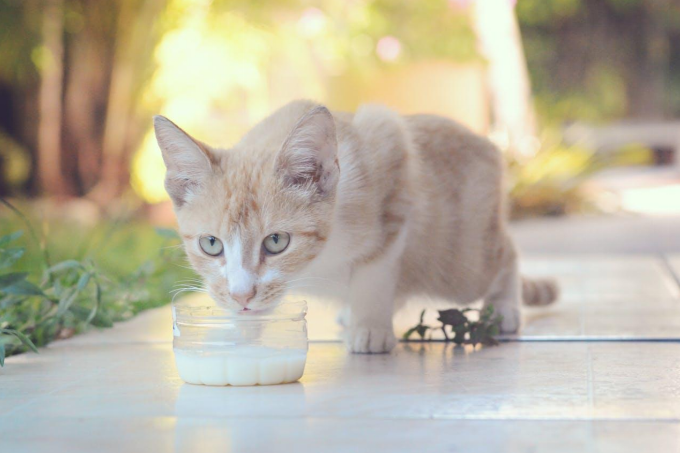
Spending an afternoon nap with your cat becomes perfect when warm sunlight streams into the room alongside their peaceful body placement next to you. You prepare a glass of milk then your cat suddenly rises from their rest to drink from the small dish of milk you offer them.
Throughout our lives, we have seen this particular scenario multiple times in written stories books as well as cartoons. The impression exists that cats should have milk as an ideal companion.
But is that really the case? Can cats drink milk without health risks, or is it just a myth passed down through generations?
Man has long believed milk serves as a special reward that both cat owners and their pets would appreciate. The actual situation proves to be intricate in nature.
Most cats will drink milk because of its tasty flavor but their digestive systems cannot process the lactose effectively. The reason behind this lies in the condition of lactose intolerance.
By understanding lactose intolerance you will be able to select proper food choices that protect your cat from digestive health problems. In this article, we explain how cats require nutrition and if milk serves any dietary function for them.
The Nutritional Needs of Cats
When uating a cat's dietary needs, many still ask: Can cats drink milk as part of their routine? As obligate carnivores cats need to consume animal proteins to live since their bodies cannot survive on any other nutrients. Evolution has transformed cats into meat-driven animals because their biological makeup demands such a food source.
Their body design allows them to digest proteins along with specific fats and limited nutrition elements that exist only in animal flesh.
Cats require taurine as their vital amino acid since it serves essential roles for maintaining their heart condition and eyesight alongside reproductive activities. Since taurine production falls short in cats their meal choice of mainly meat provides the necessary nutrient intake.

Feline nutritional requirements also include arachidonic acid (a fatty acid) together with vitamin A and vitamin B12 which can only be found in animal sources.
The dietary requirements of carbohydrates for cats exist at minimal levels. Human bodies differ from feline bodies because cats do not need carbohydrates to obtain their energy. Cats need protein and fat as their main fuel sources when processing nutrients for energy production.
The role of milk stands unclear when looking at these dietary requirements. The indulgence of milk by cats remains an unproductive dietary choice because they require different essential nutrients than what milk offers.
To fulfill the nutritional needs of your cat, you should get one of the WOpet’s automatic feeders.
The Lactose Intolerance Issue in Adult Cats
A key reason to ask 'Can cats drink milk' is understanding their decreasing lactase production after kittenhood. The reason milk is unsuitable for your pet cat extends from lactose as an element in milk. The natural sugar compound known as lactose exists in milk as a natural substance.
Two smaller sugar compounds compose the molecule known as lactose: glucose and galactose make up this substance. The digestion of lactose needs the enzyme lactase to break down the sugar because bodies lack this ability.
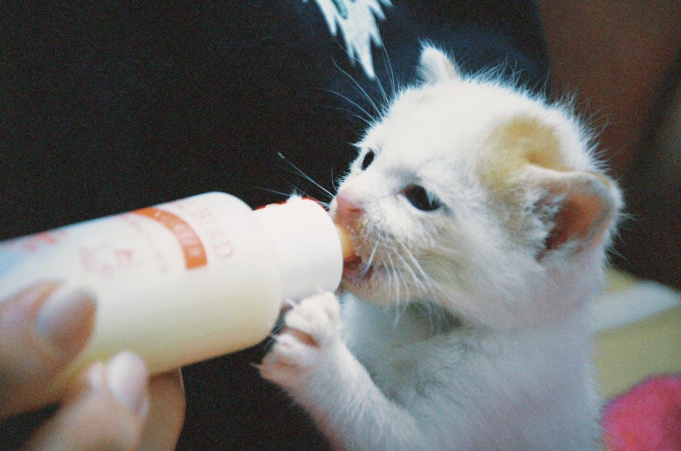
All cats possess the natural enzyme needed to break down the milk sugar lactose. The production of lactase in the body becomes abundant while kittens breastfeed.
The enzyme present in their bodies enables kittens to break down lactose found in maternal milk which allows them to absorb essential nutrients during initial weeks of life.
A cat’s body starts decreasing lactase production at the end of weaning around 6 to 8 weeks of age. The reduction of lactase production at this stage of life constitutes typical and normal development. A mother's milk-drinking period ends because cats no longer require large lactase levels to digest dairy products.
The absence of sufficient lactase in adult cats causes lactose intolerance to develop whenever they consume dairy products and milk. The digestive system of such animals becomes unable to break down the lactose contained in milk.
The lactose which the body has not broken down stays inside the intestines while pulling water and starting to ferment. The absence of lactase in the system results in multiple uncomfortable symptoms that appear.
Lactose-intolerant cats show symptoms of vomiting, diarrhea, and stomach discomfort together with gas and bloating. The reaction levels to milk differ between cats because some experience minor symptoms yet others face major symptoms. Lactose sensitivity levels alongside the quantity of milk consumption determine the extent of symptoms that develop in affected cats.
Why the Misconception About Cats and Milk?
The long-standing belief that can cats drink milk is often fueled by pop culture, not science. The fact that milk proves harmful for felines makes it puzzling why humans consistently believe it benefits their cats.
Through multiple generations, people have accepted that milk plays an important role in cats' well-being. The popular representation of cats enjoying bowl milk appears in animated cartoons classic films and various children's literature.
People who dwelled on farms together with barn cats regularly shared their milk supplies with their feline companions during the previous era. The animal owners considered this dairy-top cream as a special snack for their barn cats who probably enjoyed it.
The availability of milk together with its convenience as a food source was typical during those times. The health benefits for the cats did not justify the use of milk as their preferred nourishment.
The combination of milk smell and its fatty content attracts feline animals. Cat owners often provide milk to their animals although their pets cannot fully grasp the difficult digestion process which leads them to prefer its attractive smell and taste.
The natural attraction between cats and milk likely contributed to maintaining the belief that milk is a preferred snack.
The Impact of Different Types of Milk on Cats
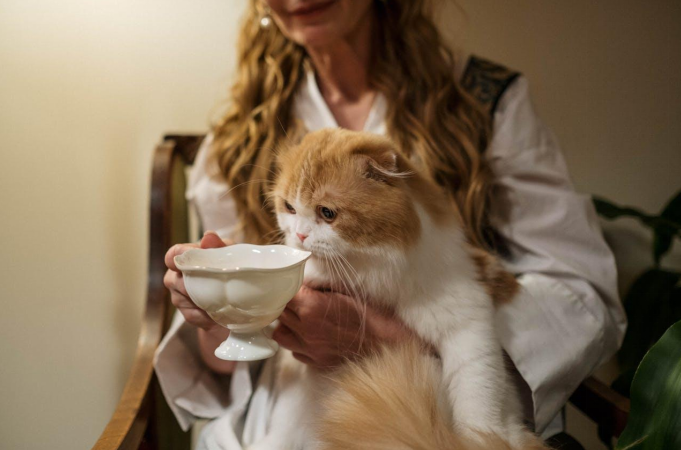
Before you pour a bowl, consider this: Can cats drink milk from cows without digestive issues? Each milk product comes with unique characteristics yet adult cats should avoid some types that pose potential dangers for their health. An uation of different types of milk together with their effects on feline bodies requires deeper examination.
Among the milk options available to humans Cow’s Milk stands as the primary choice and exists with three different fat concentrations: whole, 2%, and skim.
Both whole and skim cow's milk along with other versions contain high lactose levels which create digestion problems for adult feline bodies. Small portions of milk cause digestive issues and diarrhea in feline stomachs.
People tend to view Goat's Milk as a nutritious replacement for normal dairy milk. The lactose content of goat's milk remains lower than in cow's milk while some cats might tolerate it better when consumed.
The small amount of difference between lactose levels does not provide sufficient safety for most feline digestive systems. Even so, the milk carries potential risks for digestive upset in adult cats.
Animal milk such as sheep's milk together with goat's milk contain lactose quantities resembling those in cow's milk. The result of these unsuitable milk options will trigger identical symptoms affecting adult cats.
Lactose-Free Cow’s Milk presents itself as an apparent risk-free alternative to regular milk. Building or removing lactose from animal milk solutions reduces its ability to trigger digestive distress in felines.
Specialty pet stores stock lactose-free cat-friendly milk for purchase to pet owners. These milk options are better alternatives compared to regular products but fall short of optimal standards.
Safe and Healthy Alternatives to Milk for Cats
Even with lactose removed, the question remains—can cats drink milk alternatives and still stay healthy?
The top pick for your cat should always be water that is fresh and without contamination. Your cat must have continuous access to the water source. You should use either pet water fountains or regular bowl cleaning because cats demonstrate selective behavior regarding their water consumptions. Regular maintenance ensures higher water consumption.

The moisturization needs of your cat can be met sufficiently by providing wet cat food. The meal offers both rich fluid content and full nutritional value. The product is a superior hydration and health choice compared to giving your cat milk.
You can find healthy but appetizing treats designed for cats in the market that use safe ingredients. Selected cat treats feature creamy textures that replicate milk experience yet lack the digestive problems.
Small pieces of basic cooked fish or meat can be an appropriate food option for your cat as long as seasonings and sauces are excluded. The foods match their natural food intake better while providing gentler stomach conditions.
Conclusion
The answer to 'Can cats drink milk' is mostly no—prioritize safe hydration and species-appropriate nutrition instead.
Most adult cats cannot safely drink milk even though many people view cats sipping milk as a soft and recognizable sight. Cats commonly cannot process lactose properly thus milk intake triggers unfavorable gastrointestinal reactions.
Your cat should receive fresh water and nutritionally complete food together with explicitly designed cat treats rather than receiving milk. Choosing proper food supplements alongside water will help your cat maintain their health without causing discomfort.
The begging eyes your cat shows during cereal time only proves that they need proper food designed for their unique digestive system. The foundation of achieving cat health stems from fully comprehending their genuine dietary requirements together with their non-nutritional elements.
Resource: Can Cats Drink Milk