
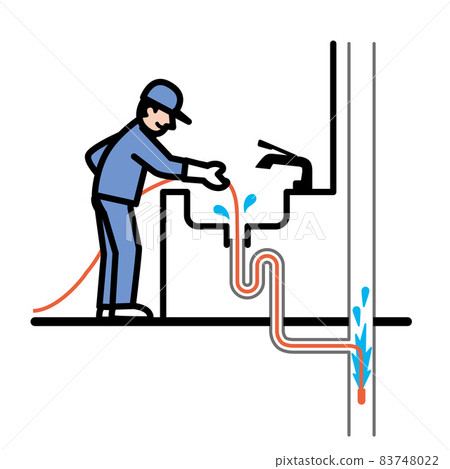
A well-functioning drainage system is one of the unsung heroes of any property, whether residential or commercial. It serves to carry away excess water, reducing the risk of flooding and ensuring that waste materials are properly removed from the premises. However, like any system, drains can become clogged or damaged over time, leading to serious issues if not properly maintained. Drainage cleansing is the practice of cleaning and maintaining drainage systems to ensure their effectiveness, safety, and longevity.
This article explores the significance of drainage cleansing, the various techniques used for clearing blockages, and how property owners can maintain healthy 通渠推介 systems to avoid costly repairs.
The Importance of Drainage Cleansing
-
Preventing Water Damage and Flooding
Clogged or malfunctioning drains can result in standing water around your property. This accumulation of water can lead to localized flooding, which may cause significant damage to your home or business. Water may seep into the foundation, damage walls, floors, or even compromise electrical systems. Drainage cleansing is vital for ensuring that water flows efficiently away from the building, preventing these potentially expensive issues. -
Preserving Structural Integrity
The buildup of water due to blocked drains can exert pressure on the foundation of your building, weakening it over time. For instance, water pooling around the base of a structure can lead to foundation cracks, which could worsen over time, leading to expensive structural repairs. By maintaining a clean drainage system, you are helping to protect the structural integrity of your property, preventing these kinds of long-term damage. -
Reducing Health Hazards
Blocked drains do more than just threaten property – they can also pose health risks. Stagnant water, mold growth, and bacteria build-up in clogged drains can create an environment conducive to the spread of diseases. Moreover, poorly maintained drainage systems can attract pests such as rodents and insects, including mosquitoes, which can carry diseases. Regular drainage cleansing helps eliminate these hazards and ensures a safe and hygienic environment for you and your family or employees. -
Minimizing Odors
Over time, organic material like food scraps, grease, and soap scum can accumulate inside drains. This buildup can lead to unpleasant odors emanating from drains, particularly in kitchens and bathrooms. These odors can permeate your living or working space, creating an unpleasant environment. Drainage cleansing helps remove these materials, restoring a clean, odor-free space. -
Avoiding Expensive Repairs
Neglecting to clean your drainage system regularly can lead to major blockages and damage that may require expensive repairs. For example, tree roots growing into the pipes, severe corrosion, or the collapse of drainage lines can be costly to fix. Regular drainage maintenance can prevent such issues, saving you the hassle and high costs of emergency repairs.
Effective Methods of Drainage Cleansing
There are several methods to clear blocked drains, depending on the severity of the clog and the type of drainage system. Below are some of the most common techniques:
-
Manual Drain Cleaning (Snaking or Rodding)
Manual drain cleaning, often using a snake or rod, is the most common and straightforward method for clearing smaller blockages. This involves using a flexible metal cable or rod that can be inserted into the drain to physically remove or dislodge debris causing the clog. This method is highly effective for cleaning out hair, food particles, soap scum, and other minor blockages. -
High-Pressure Water Jetting
For tougher blockages, particularly in larger pipes, high-pressure water jetting is an excellent solution. This technique uses a special nozzle to inject water at high pressure into the drain, breaking up clogs and clearing debris without damaging the pipes. The force of the water flushes out everything from grease and sludge to tree roots, leaving the pipes clear and functioning optimally. -
Chemical Drain Cleaners
Chemical drain cleaners are available for tackling stubborn blockages, often caused by grease, soap scum, or hair. These cleaners contain corrosive chemicals designed to break down organic material clogging the drain. However, they should be used sparingly as they can damage the pipes over time. Additionally, they can be harmful to the environment and may pose health risks if not used properly. -
Enzyme-Based Drain Cleaners
For an environmentally friendly alternative, enzyme-based drain cleaners use natural enzymes and bacteria to break down organic materials in the drain. These cleaners are gentler on pipes and the environment than traditional chemical drain cleaners. Although they work more slowly, they are safe for regular use and an excellent preventive maintenance solution. -
CCTV Drain Inspections
When you suspect a blockage but can't identify the cause, a CCTV drain inspection can provide invaluable insight. A small camera is inserted into the drain to capture real-time footage of the interior, allowing technicians to pinpoint the location and nature of the blockage. This helps in determining the best course of action for cleaning, whether it requires snaking, jetting, or pipe repair.
Best Practices for Maintaining a Healthy Drainage System
-
Regular Inspections and Maintenance
The best way to avoid serious drainage problems is through regular inspections and cleaning. Even if no issues are visible, it's important to have your drainage system professionally inspected once or twice a year. This helps to catch minor issues before they become major problems, ensuring that your drainage system stays in top condition. -
Proper Waste Disposal
One of the leading causes of blockages in drains is improper disposal of waste materials. Avoid throwing grease, oils, food scraps, or large amounts of toilet paper into drains, as these can quickly form clogs. Additionally, hair should not be washed down bathroom drains, as it can create tangled blockages. Installing a hair trap or drain cover can be a simple and effective way to prevent this problem. -
Using Natural Cleaners for Routine Maintenance
For routine maintenance, natural cleaners such as baking soda and vinegar can be a great alternative to harsh chemical cleaners. These ingredients are safe, non-toxic, and effective in breaking down small blockages, deodorizing drains, and preventing the buildup of grease and soap scum. A simple mixture of baking soda and vinegar followed by a rinse of hot water can keep your drains fresh and clear. -
Keep Gutters and Downspouts Clean
While not directly related to the internal drainage system, gutters and downspouts are an essential part of the overall drainage setup. Regularly clean leaves and debris from gutters to ensure that rainwater can flow freely through the downspouts and into the drainage system. This will prevent water from pooling around the foundation and reduce the risk of flooding. -
Know When to Call a Professional
While regular cleaning and maintenance can be done on your own, some drainage issues require professional attention. If you notice slow drainage, foul odors, or signs of leaks or flooding, it’s time to call a professional drain cleaning service. Professionals have the tools and expertise to deal with severe blockages, tree root intrusions, or damaged pipes that may require repairs or replacement.
Conclusion
Drainage cleansing is a crucial part of property maintenance, playing an essential role in protecting the integrity of your home or business. By keeping your drainage system clear of blockages, you can avoid water damage, structural issues, unpleasant odors, and health risks. Whether you choose to tackle minor clogs with DIY methods or hire professionals for more complex issues, regular maintenance and early intervention are key to ensuring a fully functioning drainage system.