
Urine testing is one of the most commonly used medical and screening tools in the world. It helps doctors check overall health, detect infections, and identify substances in the body. But many people still wonder: how accurate is a urine test?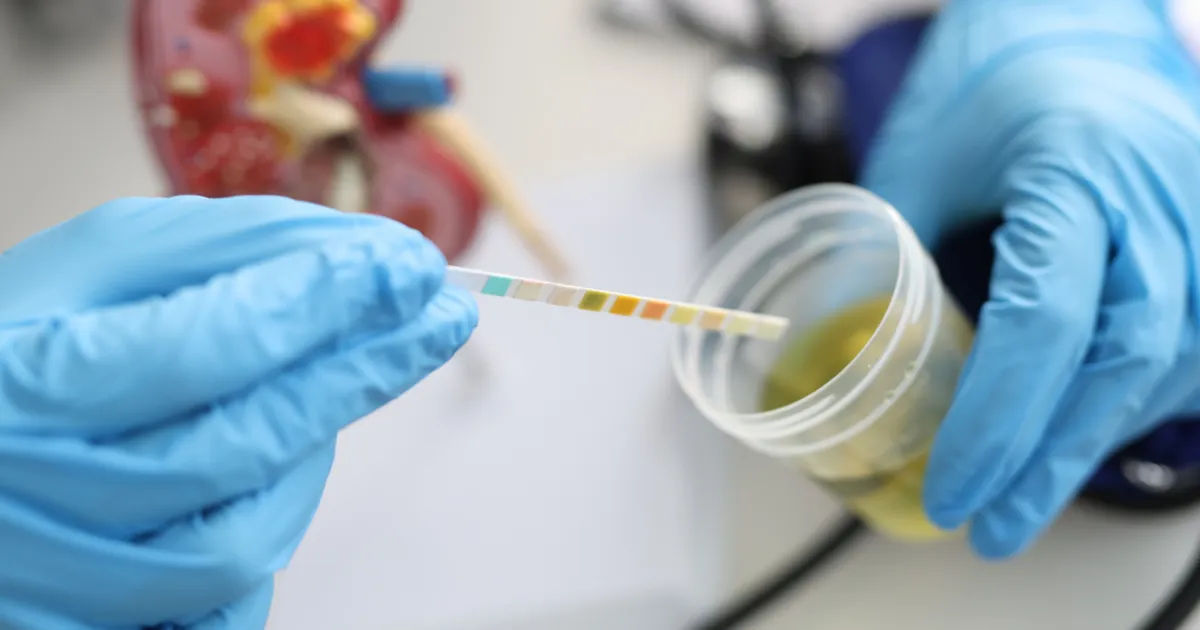
At the same time, there are lots of online questions like “can you freeze urine for a drug test,” which often come from confusion about how urine samples are handled.
While this guide will briefly mention concerns like “can you freeze urine for a drug test,” the main focus is to help you understand how urine test accuracy actually works in real medical science, not myths or shortcuts like “can you freeze urine for a drug test.”
This article explains everything in simple language, including how urine tests work, what affects accuracy, and why results are usually reliable when done correctly.
What Is a Urine Test?
A urine test, also called urinalysis, is a laboratory examination of urine. Doctors use it to detect:
- Infections
- Kidney problems
- Diabetes
- Pregnancy hormones
- Drugs or medications
- Overall metabolic health
Urine is a waste product made by the kidneys. Because it carries leftover chemicals from the blood, it gives important clues about what is happening inside the body.
When people ask questions like “can you freeze urine for a drug test,” it usually reflects misunderstanding about how urine samples are analyzed and preserved in controlled medical settings.
How Accurate Is a Urine Test Overall?
Urine tests are generally considered highly accurate, especially when performed in certified laboratories. However, accuracy depends on the type of test and how the sample is collected and handled.
High accuracy in lab testing
Modern laboratory urine tests can reach accuracy levels above 95–99% for many conditions when:
- Proper collection methods are used
- Samples are tested quickly
- Lab equipment is properly calibrated
Even questions like “can you freeze urine for a drug test” highlight how important proper sample handling is, because incorrect handling can affect results.
Types of Urine Tests and Their Accuracy
1. Routine Urinalysis
This is the most basic urine test.
It checks:
- Color and clarity
- pH levels
- Protein
- Glucose
- Bacteria
- Blood
Accuracy is high, but depends on sample freshness and lab conditions.
2. Urine Culture Tests
Used to detect bacterial infections.
- Very accurate when done correctly
- Can identify specific bacteria
- Helps doctors choose correct antibiotics
These tests are less affected by myths like “can you freeze urine for a drug test,” but they are still sensitive to sample contamination.
3. Drug Screening Tests
These tests check for substances like:
- Marijuana metabolites
- Opioids
- Amphetamines
- Benzodiazepines
They are widely used in workplaces and clinics.
People often search “can you freeze urine for a drug test” when trying to understand how long substances remain detectable. However, modern labs use strict controls that detect tampering or improper handling.
4. Pregnancy Tests (Urine-based)
These detect the hormone hCG.
- Very accurate after a missed period
- Accuracy can exceed 99%
Timing matters more than anything else.
What Affects Urine Test Accuracy?
Even though urine tests are reliable, several factors can influence results.
1. Timing of the sample
Urine composition changes throughout the day. Morning samples are often more concentrated and accurate for certain tests.
2. Hydration levels
Drinking too much water can dilute urine, affecting test results.
3. Storage and handling
Proper handling is critical. Questions like “can you freeze urine for a drug test” come from misunderstandings about sample stability. In real medical practice, urine must be handled under strict temperature and time controls to ensure accuracy.
Improper storage can:
- Change chemical composition
- Allow bacteria to grow
- Alter test readings
4. Medications and supplements
Certain drugs can change urine test results.
Examples:
- Antibiotics
- Diuretics
- Vitamin supplements
5. Laboratory quality
Not all labs are equal. Accredited labs use:
- Automated analyzers
- Calibration standards
- Quality control systems
This improves accuracy significantly.
False Positives and False Negatives
Even accurate tests are not perfect.
False positive
This happens when a test shows something is present when it is not.
Causes:
- Certain medications
- Cross-reacting substances
- Lab error (rare)
False negative
This happens when a test misses something that is actually present.
Causes:
- Diluted urine
- Early testing
- Improper sample handling
How Labs Ensure Accuracy
Modern laboratories follow strict procedures to ensure urine test reliability.
Step 1: Sample collection
Patients are instructed to provide a clean-catch sample to avoid contamination.
Step 2: Labeling and tracking
Every sample is labeled and tracked to avoid mix-ups.
Step 3: Testing methods
Labs use:
- Chemical dipsticks
- Microscopic examination
- Advanced immunoassays
- Mass spectrometry (for drug confirmation)
Step 4: Confirmation testing
If results are unclear, a second test is performed.
This reduces error rates significantly.
Can Urine Tests Be Manipulated or Altered?
This is where many internet myths appear, including questions like “can you freeze urine for a drug test.”
In real medical environments:
- Samples are temperature-checked immediately
- Timing of sample submission is recorded
- Chemical markers detect tampering
- Lab staff follow strict observation protocols when needed
Because of this, attempts to alter or substitute urine samples are usually detected.
The focus in healthcare is not on tricks like “can you freeze urine for a drug test,” but on ensuring the sample is genuine and medically valid.
Detection Windows in Urine Testing
Urine tests are often used because they can detect substances within specific timeframes.
Examples:
- Alcohol: up to 24 hours
- Cannabis: 1–30 days (depending on use)
- Cocaine: 2–4 days
- Opioids: 1–3 days
These windows depend on metabolism, body fat, and usage frequency.
Understanding detection windows is more useful than focusing on myths like “can you freeze urine for a drug test,” which does not help in real medical interpretation.
Medical vs Drug Testing Accuracy
Urine tests serve different purposes.
Medical testing
- Very accurate for diagnosing disease
- Used with other clinical data
- High reliability when repeated
Drug testing
- Designed to detect specific metabolites
- Uses strict cutoff levels
- Includes confirmation testing for accuracy
Both types are reliable when properly conducted.
Limitations of Urine Testing
No medical test is perfect. Urine testing has some limitations:
- Short detection window compared to blood or hair tests
- Sensitive to hydration levels
- Can be influenced by kidney function
- May require follow-up testing
Even with these limitations, urine tests remain one of the most practical diagnostic tools.
Why Urine Tests Are Still Widely Used
Despite limitations, urine tests are popular because they are:
- Non-invasive
- Affordable
- Easy to collect
- Fast to process
- Highly informative
Doctors rely on them daily in hospitals and clinics.
Common Misunderstandings About Urine Testing
Many online myths confuse people. One common example is the phrase “can you freeze urine for a drug test,” which circulates online without proper medical context.
In reality:
- Urine samples must be processed under controlled conditions
- Temperature, time, and storage matter for accuracy
- Laboratories are trained to detect improper handling
Understanding real science is more important than focusing on misinformation like “can you freeze urine for a drug test.”
How to Improve Urine Test Reliability (Medical Perspective)
If you are taking a urine test for medical reasons, you can improve accuracy by:
- Following collection instructions carefully
- Providing a midstream sample when asked
- Avoiding excessive fluid intake before testing
- Informing your doctor about medications
These steps ensure the most reliable results.
The Science Behind Urine Accuracy
Urine reflects blood chemistry filtered through the kidneys. That is why it is such a powerful diagnostic tool.
Scientists use advanced methods like:
- Chromatography
- Spectrometry
- Immunoassay testing
These technologies make modern urine testing extremely precise.
Even repeated questions like “can you freeze urine for a drug test” do not change the fact that laboratory science is designed to maintain integrity and accuracy.
Conclusion
Urine testing is one of the most accurate and widely used diagnostic tools in medicine. When properly collected, stored, and analyzed, it can provide highly reliable information about health conditions, infections, and substance use.
While many online discussions focus on topics like “can you freeze urine for a drug test,” real-world laboratory science is far more advanced and strictly controlled than such myths suggest. Accuracy depends on proper procedures, not shortcuts or misinformation like “can you freeze urine for a drug test.”
In summary, urine tests are dependable, scientifically validated, and essential in modern healthcare. Their accuracy remains high because of strict laboratory standards, advanced technology, and careful handling at every step.
Understanding how these tests work helps you trust medical results and avoid confusion from internet myths such as “can you freeze urine for a drug test.”