
Easy coloring for preschoolers is more than just a fun classroom or home activity. Easy coloring for preschoolers plays a structured role in early childhood learning by helping children understand numbers, shapes, coordination, and basic cognitive skills.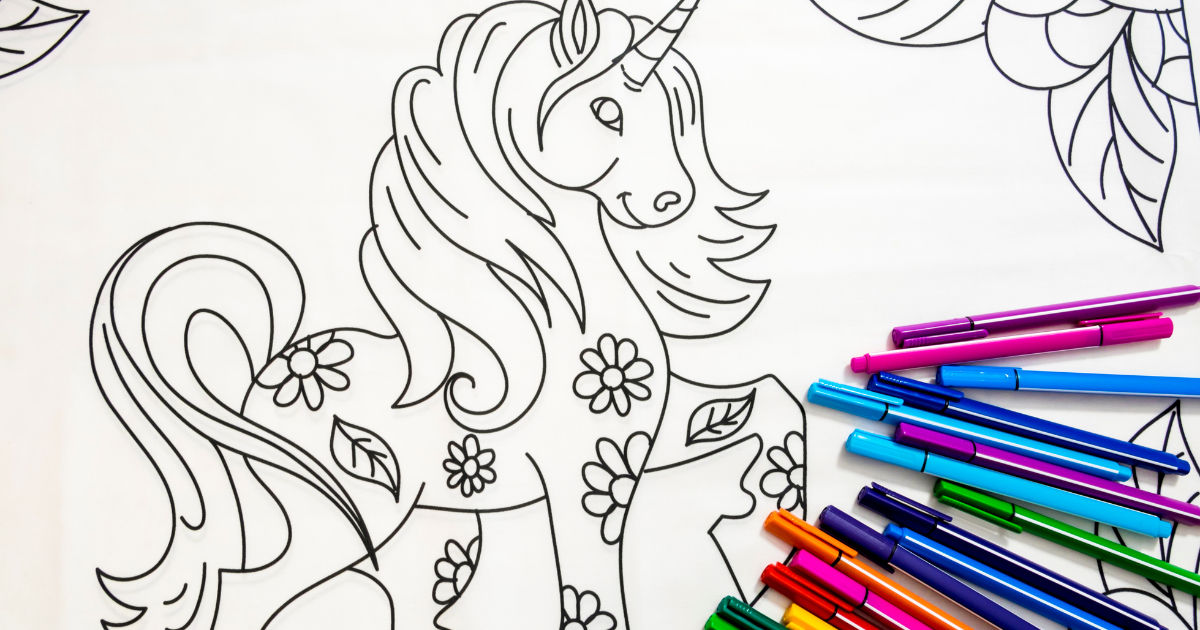 When designed correctly, Easy coloring for preschoolers activities combine visual learning with number recognition, allowing young learners to connect symbols with meaning in a simple and engaging way.
In early education, Easy coloring for preschoolers is often used as a bridge between play and structured learning. It introduces academic concepts in a stress-free format, which helps children build confidence before moving into more advanced math and literacy skills. This guide explains how Easy coloring for preschoolers works, why it is effective, and how parents and teachers can use it properly for maximum learning impact.
The Concept of Number-Based Coloring
What is number coloring?
Number coloring is a learning method where children color sections of an image based on assigned numbers. Each number corresponds to a specific color. For example, number 1 might represent red, number 2 might represent blue, and so on. Through Easy coloring for preschoolers, children learn to identify numbers while also practicing color recognition.
Why it is used in early education
Educators use Easy coloring for preschoolers because it combines multiple skills in one activity:
- Number recognition
- Color identification
- Fine motor skills
- Focus and attention span
- Pattern recognition
By engaging in Easy coloring for preschoolers, children naturally strengthen their ability to follow instructions while enjoying a creative task.
How Easy Coloring for Preschoolers Works Step by Step
Step 1: Introducing numbers and colors
The first step in Easy coloring for preschoolers is introducing the basic number-color key. Teachers or parents explain which number matches which color. This step builds the foundation for understanding the activity.
Children are not pressured to memorize everything immediately. Instead, Easy coloring for preschoolers allows repetition, which helps learning happen naturally.
Step 2: Understanding the worksheet
Next, children receive a worksheet with numbered sections. Each section is part of an image such as animals, fruits, or simple objects. In Easy coloring for preschoolers, the image is usually simple and bold to avoid confusion.
Children observe the numbers carefully before starting to color. This improves attention to detail and visual scanning skills.
Step 3: Matching numbers to colors
Now the core learning begins. Children match each number on the page with the correct color from the key. This is where Easy coloring for preschoolers becomes a practical learning tool.
For example:
- Number 1 = Yellow
- Number 2 = Green
- Number 3 = Blue
By following these instructions, children develop logical thinking skills.
Step 4: Coloring within boundaries
One of the most important parts of Easy coloring for preschoolers is staying within the lines. This improves hand control and fine motor coordination.
At first, children may struggle, but repeated practice through Easy coloring for preschoolers helps them gain control and precision.
Step 5: Completing the picture
When all sections are colored correctly, a full image appears. This final result gives children a sense of achievement. Easy coloring for preschoolers reinforces the idea that careful work leads to visible success.
Educational Benefits of Easy Coloring for Preschoolers
Cognitive development
Easy coloring for preschoolers helps improve brain function by encouraging children to think, decide, and act simultaneously. They must recognize numbers, recall colors, and apply instructions.
Memory improvement
Repeated exposure to Easy coloring for preschoolers enhances memory retention. Children begin to remember number-color associations more easily over time.
Problem-solving skills
Sometimes children must figure out where a number belongs in a complex image. Easy coloring for preschoolers supports early problem-solving abilities by encouraging logical thinking.
Focus and patience
Young children often have short attention spans. However, Easy coloring for preschoolers trains them to stay focused until the task is completed.
Motor Skills Development
Hand-eye coordination
One of the key benefits of Easy coloring for preschoolers is improving hand-eye coordination. Children must look at the number and then move their hand accurately to color the correct section.
Pencil grip strength
Holding crayons or colored pencils during Easy coloring for preschoolers strengthens finger muscles. This prepares children for writing in later years.
Precision and control
Over time, Easy coloring for preschoolers helps children gain better control over their movements, making their coloring more accurate and neat.
Emotional and Behavioral Benefits
Confidence building
Completing a full coloring page in Easy coloring for preschoolers gives children a strong sense of achievement. This boosts their self-confidence.
Stress reduction
Coloring is naturally calming. Easy coloring for preschoolers reduces anxiety and helps children relax while learning.
Positive learning attitude
Children who regularly engage in Easy coloring for preschoolers tend to develop a positive attitude toward education because learning feels like play.
Role of Teachers in Easy Coloring Activities
Guiding without controlling
Teachers using Easy coloring for preschoolers should guide children but not control every step. The goal is to encourage independent thinking.
Encouraging creativity
Even though numbers guide the activity, teachers can allow creativity in Easy coloring for preschoolers by letting children experiment with shades and patterns.
Providing feedback
Positive feedback helps children stay motivated. In Easy coloring for preschoolers, encouragement is more effective than correction.
Role of Parents in Home Learning
Creating a learning environment
Parents can support Easy coloring for preschoolers by providing a quiet and comfortable space for coloring.
Participating together
When parents participate in Easy coloring for preschoolers, children feel more engaged and supported.
Setting routine practice
Regular practice sessions of Easy coloring for preschoolers help build consistency and better learning outcomes.
Types of Easy Coloring for Preschoolers Activities
Basic number coloring sheets
These are the simplest form of Easy coloring for preschoolers, suitable for beginners.
Themed coloring pages
Themes like animals, fruits, and vehicles make Easy coloring for preschoolers more exciting.
Advanced pattern coloring
Slightly more complex versions of Easy coloring for preschoolers include patterns and multiple steps.
Digital vs Traditional Coloring
Traditional coloring methods
Paper-based Easy coloring for preschoolers activities help improve physical motor skills and reduce screen time.
Digital coloring apps
Digital versions of Easy coloring for preschoolers offer interactive features and instant feedback.
Both methods can be combined for balanced learning.
Common Challenges in Easy Coloring for Preschoolers
Confusion with numbers
Some children may mix up numbers during Easy coloring for preschoolers, especially in the beginning.
Staying within lines
It is common for beginners to go outside boundaries, but Easy coloring for preschoolers improves this over time.
Losing interest
If activities are too complex, children may lose interest in Easy coloring for preschoolers. Keeping designs simple helps solve this issue.
Tips for Effective Learning
Start simple
Begin with easy worksheets in Easy coloring for preschoolers before moving to advanced ones.
Use bright visuals
Colorful designs make Easy coloring for preschoolers more engaging.
Keep sessions short
Short but frequent sessions of Easy coloring for preschoolers work better than long ones.
Encourage mistakes
Mistakes are part of learning. In Easy coloring for preschoolers, children learn more from corrections than perfection.
Why Easy Coloring for Preschoolers is Important for Early Education
Easy coloring for preschoolers is important because it combines learning and creativity in one activity. It introduces academic concepts without pressure and builds foundational skills needed for future learning.
Schools around the world use Easy coloring for preschoolers as part of early childhood education programs because it is effective, simple, and adaptable to different learning levels.
Long-Term Impact of Easy Coloring for Preschoolers
Children who regularly engage in Easy coloring for preschoolers often show:
- Better academic readiness
- Stronger handwriting skills
- Improved attention span
- Enhanced creativity
- Higher confidence in learning tasks
These long-term benefits make Easy coloring for preschoolers a valuable educational tool beyond preschool years.
Conclusion
In summary, Easy coloring for preschoolers is a powerful educational activity that supports early childhood development in multiple ways. Easy coloring for preschoolers helps children learn numbers, improve motor skills, and develop focus while enjoying a creative process. Through structured guidance and consistent practice, Easy coloring for preschoolers becomes an essential bridge between play-based learning and formal education.
Parents and teachers both play a key role in making Easy coloring for preschoolers effective. When used correctly, it not only teaches academic basics but also builds confidence, patience, and creativity in young learners. The simplicity of Easy coloring for preschoolers is what makes it so powerful—it turns learning into an enjoyable and meaningful experience.
Ultimately, Easy coloring for preschoolers prepares children for future academic challenges by strengthening their foundation in a fun and engaging way.