
Modern homes in the UK are increasingly relying on energy efficient heating systems to create a warmer, healthier, and more comfortable living environment.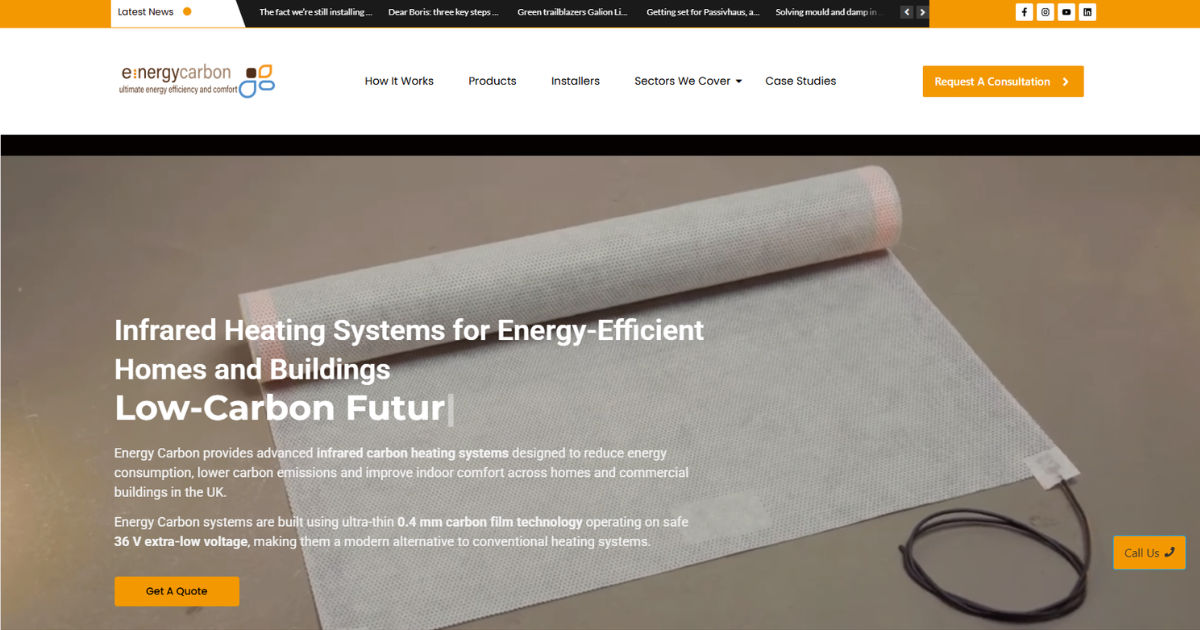
These systems are designed not only to reduce energy consumption but also to maintain consistent indoor temperatures, improve air quality, and lower household bills.
In today’s world, where energy prices continue to rise, energy efficient heating systems have become essential for families who want both comfort and affordability.
This comprehensive guide explores how energy efficient heating systems work, why they matter, and how they improve comfort in everyday life. We will also look at technology, design, installation, and long-term benefits in a way that is easy for a 12th-grade reader to understand.
Understanding the Basics of Heating Efficiency
What Does Energy Efficiency Mean?
At its core, efficiency refers to how well a system uses energy without wasting it. Energy efficient heating systems are designed to convert more electricity or fuel into usable heat, with minimal loss.
Traditional heating systems often waste energy through poor insulation, outdated technology, or uneven heat distribution. In contrast, energy efficient heating systems focus on delivering heat directly and effectively.
Why Efficiency Matters in UK Homes
The UK climate is generally cold and damp, especially during winter months. Homes require consistent heating for comfort and health. Energy efficient heating systems help reduce the strain on energy resources while maintaining stable indoor warmth.
They also help homeowners manage rising utility bills, which is a major concern in modern households.
How Energy Efficient Heating Systems Improve Comfort
Consistent Temperature Control
One of the biggest comfort improvements offered by energy efficient heating systems is temperature stability. Instead of fluctuating between hot and cold spots, these systems maintain a balanced indoor climate.
This reduces discomfort caused by overheating or sudden temperature drops, making the living space more pleasant.
Faster Heat Distribution
Unlike older systems that take time to warm up, energy efficient heating systems distribute heat more quickly. This means rooms become comfortable faster, especially during cold mornings or evenings.
Fast response time is a key reason homeowners prefer energy efficient heating systems.
Reduced Drafts and Cold Spots
Traditional heating often results in uneven heating, where some areas feel warm while others remain cold. Energy efficient heating systems minimize this issue by using advanced distribution methods such as radiant heat or smart zoning.
As a result, every corner of the home feels more balanced and comfortable.
Types of Energy Efficient Heating Systems in the UK
Heat Pumps
Heat pumps are among the most popular energy efficient heating systems in the UK. They work by extracting heat from the air or ground and transferring it into the home.
Because they move heat instead of generating it, they use significantly less energy.
Infrared Heating Panels
Infrared technology is another form of energy efficient heating systems. These panels heat objects and people directly instead of warming the air.
This leads to instant comfort and reduced energy waste.
Condensing Boilers
Modern condensing boilers are designed to reuse heat from exhaust gases. These energy efficient heating systems are much more efficient than older boiler models.
They are widely used in UK homes due to their reliability.
Electric Storage Heaters
New-generation storage heaters are improved versions of older models. These energy efficient heating systems store heat during off-peak hours and release it when needed.
They help reduce electricity costs while maintaining warmth.
The Science Behind Energy Efficiency
Heat Transfer and Retention
The performance of energy efficient heating systems depends on how well heat is transferred and retained within a space. Better insulation and controlled heat flow reduce energy loss.
Smart Thermostat Integration
Many energy efficient heating systems now include smart thermostats. These devices learn user behavior and adjust heating automatically.
This prevents unnecessary energy use while maintaining comfort.
Zoning Technology
Zoning allows different areas of a home to be heated independently. This is a key feature of modern energy efficient heating systems, allowing users to heat only the rooms they use.
Benefits of Energy Efficient Heating Systems for Comfort
Lower Energy Bills
One of the most attractive benefits of energy efficient heating systems is reduced energy consumption. Less wasted energy means lower monthly bills.
Healthier Indoor Air Quality
Older heating systems can circulate dust and allergens. In contrast, energy efficient heating systems maintain cleaner air by reducing air movement and combustion byproducts.
Quiet Operation
Modern energy efficient heating systems are designed to operate quietly, improving overall home comfort and reducing noise pollution.
Environmental Benefits
By using less energy, energy efficient heating systems reduce carbon emissions, making them an eco-friendly choice for UK households.
Installation and Home Setup Considerations
Home Insulation Quality
The performance of energy efficient heating systems depends heavily on insulation. Well-insulated homes retain heat better, improving system efficiency.
System Sizing
Choosing the correct size is essential. Oversized or undersized energy efficient heating systems can lead to poor performance and wasted energy.
Professional Installation
Proper installation ensures that energy efficient heating systems operate at maximum efficiency. Poor setup can reduce performance and comfort.
Smart Technology and Modern Heating
Automated Controls
Smart systems allow users to control energy efficient heating systems remotely using mobile apps. This improves convenience and energy savings.
Learning Algorithms
Advanced energy efficient heating systems use AI-based learning to adjust heating patterns automatically based on lifestyle habits.
Energy Monitoring
Many modern energy efficient heating systems include energy tracking features that help homeowners understand usage patterns.
Cost vs Long-Term Savings
Initial Investment
Although energy efficient heating systems can be more expensive to install initially, they offer long-term savings.
Return on Investment
Over time, reduced energy bills make energy efficient heating systems cost-effective.
Government Incentives
In the UK, some programs support the adoption of energy efficient heating systems, making them more affordable.
Common Myths About Energy Efficient Heating Systems
Myth 1: They Are Too Expensive
While initial costs can be higher, energy efficient heating systems save money in the long run.
Myth 2: They Do Not Heat Well
Modern energy efficient heating systems provide excellent heating performance when properly installed.
Myth 3: They Only Work in New Homes
In reality, energy efficient heating systems can be installed in older homes with proper upgrades.
Maintenance and Longevity
Regular Servicing
To keep energy efficient heating systems working efficiently, regular maintenance is essential.
System Lifespan
Well-maintained energy efficient heating systems can last many years, offering consistent performance.
Performance Monitoring
Monitoring helps ensure that energy efficient heating systems continue to operate at peak efficiency.
Future of Heating in the UK
Renewable Integration
Future energy efficient heating systems will increasingly rely on renewable energy sources like solar and wind.
Smart Home Expansion
Integration with smart home systems will make energy efficient heating systems even more automated and responsive.
Improved Materials
Advancements in insulation and heating technology will make energy efficient heating systems more powerful and affordable.
Practical Tips for Homeowners
Improve Insulation First
Before installing energy efficient heating systems, improving insulation can significantly boost performance.
Use Smart Thermostats
Pairing thermostats with energy efficient heating systems ensures better control and reduced waste.
Heat Only Used Rooms
Zoning helps maximize the benefits of energy efficient heating systems by focusing heat where it is needed.
Environmental Impact and Sustainability
Reduced Carbon Footprint
By consuming less energy, energy efficient heating systems help reduce environmental damage.
Sustainable Living
More homeowners are choosing energy efficient heating systems as part of a sustainable lifestyle.
Supporting Climate Goals
The UK’s climate goals are supported by widespread adoption of energy efficient heating systems.
Conclusion
In conclusion, energy efficient heating systems play a vital role in improving home comfort across the UK. They provide consistent heating, reduce energy bills, and support a cleaner environment. From heat pumps to smart thermostats, these systems represent the future of home heating technology.
By understanding how energy efficient heating systems work and how they improve comfort, homeowners can make better decisions about their heating choices. Whether upgrading an old system or building a new home, investing in energy efficient heating systems ensures long-term comfort, savings, and sustainability.
As technology continues to advance, energy efficient heating systems will become even more efficient, affordable, and widely used, shaping the future of modern living in the UK.