
Planning a construction or renovation project often starts with one practical question: how long will it actually take? The answer depends on the size, complexity, design, permits, materials, labor, and condition of the existing property. A small renovation may take a few weeks, while a major construction project can continue for many months.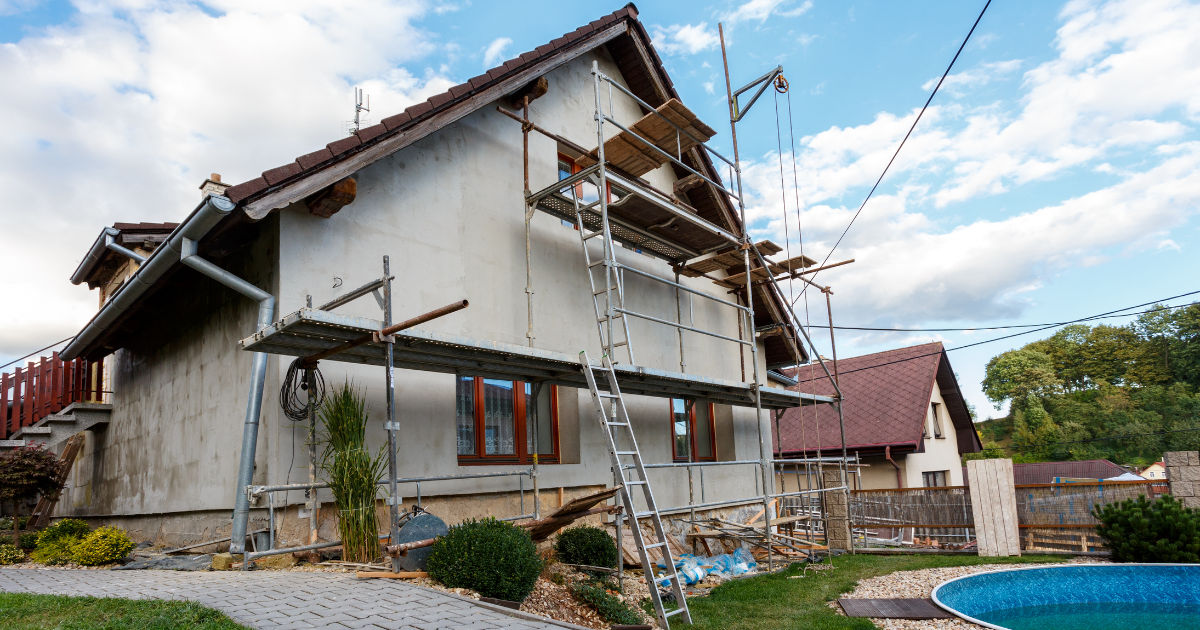
A General contractor plays an important role in determining how smoothly that timeline develops. This professional coordinates subcontractors, materials, inspections, schedules, and daily construction activities. Understanding the typical project timeline helps property owners set realistic expectations, prepare their budgets, and avoid unnecessary frustration.
What Determines the Length of a Construction Project?
There is no universal timeline that applies to every construction project. Two homes with similar floor areas can have completely different schedules because their designs, materials, site conditions, and approval requirements may differ.
The first major factor is project scope. Replacing a bathroom is obviously different from building a new home. A simple interior renovation may take several weeks, while a complete structural renovation can take several months.
The design also matters. Projects with custom layouts, unusual architectural features, specialty finishes, or complex mechanical systems generally require more planning and installation time.
Another important factor is the property's current condition. Older buildings can contain hidden problems such as damaged framing, outdated electrical systems, plumbing issues, moisture damage, or poor foundations. Discovering these problems after work begins can extend the schedule.
Material availability can also influence the timeline. Standard materials are usually easier to source, while custom windows, specialty fixtures, imported finishes, and made-to-order components may require long lead times.
Typical Timelines for Different Projects
A General contractor usually estimates the project duration after reviewing the scope of work, drawings, site conditions, and expected materials. Although every project is different, some broad timelines can help homeowners understand what to expect.
Small Renovation Projects
Small renovation projects can often be completed within two to six weeks.
Examples include updating a bathroom, replacing flooring, repainting several rooms, installing cabinets, or making minor kitchen improvements.
The schedule becomes longer if several trades must work in sequence. For example, a bathroom renovation may require demolition, plumbing, electrical work, waterproofing, tiling, cabinetry, fixtures, and final finishing.
Even a small project can therefore involve more coordination than homeowners initially expect.
Medium-Sized Remodeling Projects
A medium remodeling project may take two to four months.
Kitchen renovations, major bathroom remodels, basement conversions, interior restructuring, and several-room renovations often fall into this category.
The timeline depends heavily on whether structural changes are involved. Removing walls, modifying openings, relocating plumbing, or upgrading electrical systems can add significant work.
Large Home Renovations
A major whole-house renovation can take four to nine months or longer.
These projects may involve structural repairs, new layouts, roof work, plumbing replacement, electrical upgrades, insulation, drywall, flooring, cabinetry, painting, and exterior improvements.
The more systems involved, the greater the need for careful scheduling.
New Home Construction
Building a new home commonly takes several months, with many projects requiring roughly six to twelve months after the necessary planning and approvals are complete.
Larger or highly customized homes may take longer.
Weather, inspections, material availability, design changes, and site conditions can all affect the final completion date.
The Planning Stage Before Construction
One of the biggest mistakes property owners make is assuming construction begins as soon as they decide to hire a contractor.
In reality, substantial preparation often happens before physical work begins.
The planning stage may include developing architectural drawings, selecting materials, creating a budget, reviewing the site, obtaining estimates, finalizing the contract, and securing permits.
A General contractor may also coordinate with architects, engineers, designers, inspectors, and specialty subcontractors during this stage.
Depending on the project, pre-construction can take several weeks or even months.
This preparation is valuable because problems identified before construction are generally easier and cheaper to solve than problems discovered after work begins.
How Permits Affect the Timeline
Permits can have a major impact on construction schedules.
The exact requirements depend on the location and type of project. Structural modifications, electrical work, plumbing changes, additions, and new construction may require different approvals.
Permit processing can take days, weeks, or longer depending on the project and local authority.
A project should not simply assume that permits will be approved immediately. Drawings may need revisions, additional documentation may be requested, or inspections may be required at specific stages.
A good General contractor accounts for these requirements when developing the schedule.
How Construction Is Usually Scheduled
Construction does not normally happen as one continuous activity. Different trades complete different stages in a particular order.
For example, a renovation may begin with demolition. After that, structural work may be completed, followed by plumbing and electrical rough-ins.
Insulation and drywall can then be installed. Flooring, cabinets, doors, trim, painting, fixtures, and final installations usually follow.
Some tasks can happen simultaneously, but many cannot.
A flooring installation cannot always begin while major plumbing work is still taking place. Similarly, cabinets may need to wait until walls are finished and properly prepared.
This sequencing is one reason professional scheduling matters.
How Subcontractors Affect Project Duration
Most construction projects involve multiple specialized trades.
These may include electricians, plumbers, HVAC technicians, roofers, painters, flooring installers, tile contractors, and cabinet professionals.
Each trade has its own availability and workload.
If one subcontractor is delayed, other activities may have to wait.
A General contractor coordinates these professionals so that work progresses in the correct order. Strong communication between trades can prevent unnecessary gaps in the schedule.
Poor coordination, on the other hand, can create significant delays.
Weather and Seasonal Delays
Weather can have a substantial effect on construction, especially for exterior projects.
Heavy rain can stop excavation, concrete work, roofing, painting, and other outdoor activities. Extreme temperatures can also affect certain construction materials and processes.
Winter conditions may slow projects in colder regions, while severe storms can interrupt work unexpectedly.
Interior work is generally less vulnerable to weather, although deliveries and site access can still be affected.
For this reason, construction schedules often include reasonable flexibility rather than promising an exact completion date months in advance.
Material Availability and Delivery Times
Materials are another major source of timeline changes.
Common building supplies may be readily available, but custom products can require much longer.
Windows, doors, cabinets, countertops, specialty tiles, appliances, lighting fixtures, and custom metalwork may have extended production or shipping times.
The General contractor should identify long-lead materials early.
Waiting until the last minute to order important components can create avoidable delays.
Material selections should therefore be finalized as early as practical, particularly for projects involving custom products.
What Happens When the Client Changes the Design?
Client changes are one of the most common reasons construction schedules expand.
A homeowner may decide to move a wall, change a countertop, select different flooring, add lighting, replace cabinets, or modify a room after construction has already started.
Even a seemingly small change can affect several other tasks.
For example, changing the location of a sink may require plumbing adjustments. Moving an electrical outlet may require additional wiring. Changing tile selections may delay installation if the replacement product is not available.
A General contractor can explain how proposed changes affect both cost and schedule before the work proceeds.
Hidden Problems Can Extend the Timeline
Existing buildings sometimes contain conditions that cannot be identified until walls, ceilings, floors, or other areas are opened.
Examples include water damage, termite damage, deteriorated framing, outdated wiring, leaking pipes, mold-related repairs, or foundation concerns.
These problems can change the original scope of work.
It is difficult to predict every hidden condition before demolition. A responsible contractor should therefore communicate unexpected discoveries promptly and explain the available options.
This approach gives the property owner an opportunity to make informed decisions instead of being surprised near the end of the project.
How Inspections Influence the Schedule
Inspections are another important part of many construction projects.
Certain stages may need approval before the next stage can begin. For example, electrical, plumbing, structural, or mechanical work may require inspection before walls are closed.
Inspection availability can therefore affect the schedule.
If work does not pass inspection, corrections may be required before construction continues.
Proper preparation and adherence to approved plans can reduce the likelihood of unnecessary inspection delays.
How a Contractor Can Keep a Project on Schedule
Keeping a construction project on schedule requires more than simply working quickly.
The first step is creating a realistic schedule based on actual project requirements.
A General contractor should identify major milestones, coordinate subcontractors, order materials in advance, and monitor progress throughout construction.
Regular communication is equally important.
Property owners should know what has been completed, what is currently underway, and what is scheduled next.
Clear communication also makes it easier to address decisions before they become delays.
Why the Original Estimate Is Not Always Exact
A project timeline is an estimate rather than a guarantee.
Even carefully planned construction projects can experience unexpected issues.
The original estimate may assume that permits are approved on time, materials arrive as expected, weather remains workable, subcontractors are available, and no hidden conditions are discovered.
If one or more assumptions change, the schedule may change as well.
This does not necessarily indicate poor management. The important issue is how professionally the delay is handled.
A reliable contractor should explain what caused the delay, how it affects the schedule, and what steps can be taken to minimize its impact.
How Homeowners Can Help Reduce Delays
Property owners also have an important role in keeping construction moving.
Making design decisions quickly is one of the simplest ways to help.
Selecting finishes, fixtures, appliances, paint colors, flooring, cabinets, and other products before they are needed can prevent interruptions.
Homeowners should also avoid making unnecessary changes after construction starts.
When changes are necessary, they should be discussed with the contractor as early as possible.
Keeping payment arrangements, contracts, approvals, and communication organized can also help maintain progress.
What a Realistic Construction Timeline Looks Like
For a typical medium-sized renovation, the timeline might look something like this:
Planning and design may take two to six weeks.
Permitting can take additional time depending on the project and local requirements.
Demolition may take several days to two weeks.
Structural, plumbing, and electrical work may take two to six weeks.
Insulation and drywall may require one to three weeks.
Cabinetry, flooring, tile, painting, and finish work can take several weeks.
Final fixtures, corrections, inspections, and cleanup may require another one to three weeks.
These figures are examples rather than fixed rules. A simple project may move much faster, while a complex renovation can take considerably longer.
When Should You Expect a Project to Take Longer?
Certain projects should automatically be planned with additional time.
These include older properties, major structural changes, large additions, custom homes, extensive exterior work, projects requiring numerous permits, and renovations involving several interconnected systems.
Projects with unusual architectural designs or high-end custom finishes may also require additional time.
A General contractor should identify these factors during the planning process rather than treating them as surprises after construction begins.
Questions to Ask About the Project Timeline
Before signing a construction agreement, property owners should ask specific questions about scheduling.
Ask when construction is expected to start and what must happen before that date.
Ask which stages are most likely to affect the completion date.
Ask whether materials have already been ordered and whether any items have extended lead times.
Ask how weather delays, inspection problems, design changes, and unexpected site conditions will be handled.
It is also useful to ask how progress will be communicated throughout the project.
These questions can reveal whether the contractor has a practical understanding of the work involved.
Why Communication Matters More Than Speed
Homeowners often focus heavily on the shortest possible construction timeline.
Speed matters, but quality should not be sacrificed simply to finish faster.
Rushing electrical work, plumbing, waterproofing, structural repairs, or finishing can create expensive problems later.
The better goal is controlled progress.
A General contractor should balance productivity with proper workmanship, inspections, safety requirements, and quality control.
A realistic schedule is usually more valuable than an unrealistic promise of an exceptionally fast completion.
How to Build Some Flexibility Into Your Plans
When planning a renovation or construction project, it is wise to leave some room in your personal schedule.
If you are moving into a newly renovated home, avoid arranging everything around the earliest possible completion date.
Give yourself some flexibility for final corrections, inspections, cleaning, furniture delivery, and minor outstanding work.
Construction projects often reach substantial completion before every tiny detail is finished.
Allowing a reasonable buffer can make the final stage much less stressful.
Conclusion
The length of a construction project depends on its scope, design, property condition, permits, materials, labor, inspections, weather, and the number of trades involved. A small renovation may take only a few weeks, while a major remodeling project can take several months and new construction can take six months or longer.
The role of a General contractor is especially important because construction involves many moving parts. Proper scheduling, subcontractor coordination, material ordering, communication, inspections, and problem-solving can make a major difference in how smoothly the project progresses.
The most useful approach is to establish a realistic schedule rather than chasing the fastest possible completion date. Property owners should understand that unexpected conditions can occur, particularly in older buildings and complicated renovations.
Clear planning and early decisions can reduce avoidable delays. Keeping communication open and responding quickly to necessary decisions can also help the project maintain momentum.
Ultimately, a successful construction project is not simply one that finishes quickly. It is one that reaches completion safely, within a reasonable budget, and with workmanship that meets the expected standard. By understanding the factors that influence construction timelines and working closely with an experienced contractor, property owners can approach the process with realistic expectations and much greater confidence.