
In today’s fast-paced digital world, businesses rely on messaging apps not just for casual communication but as vital tools for customer engagement.
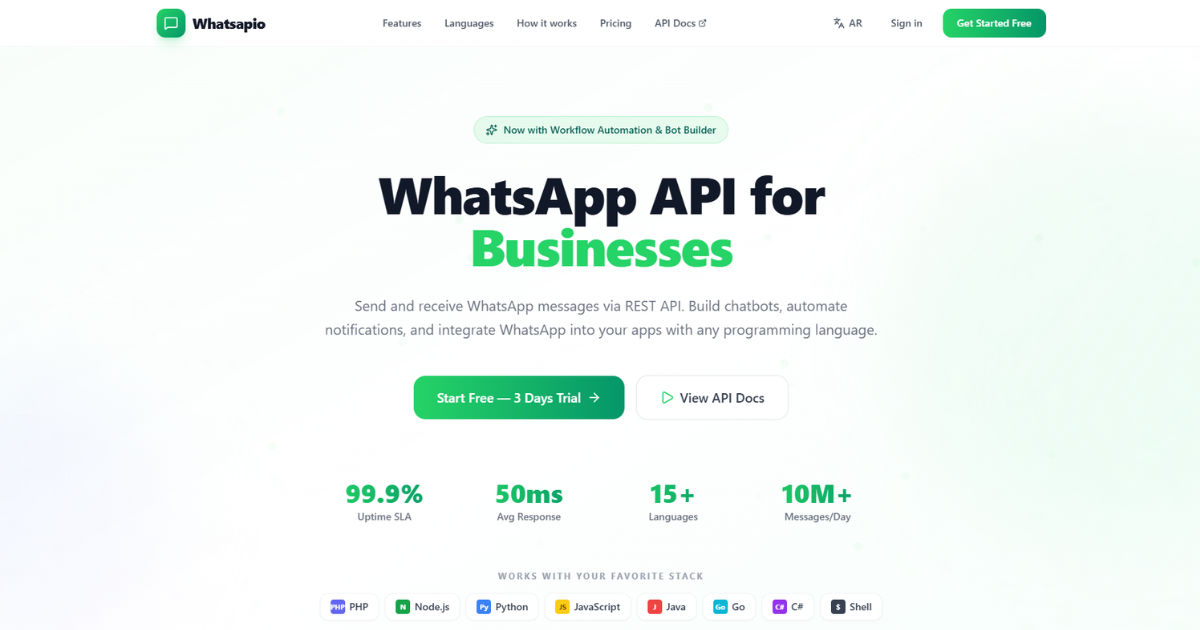 One of the most popular platforms for this purpose is WhatsApp, which offers businesses access to official communication channels through a WhatsApp API provider.
But how secure is this system today? Are businesses exposing themselves to potential risks, or is the infrastructure strong enough to keep data safe? This guide explores everything you need to know about the security of WhatsApp API provider systems in 2026.
Understanding WhatsApp API Providers
A WhatsApp API provider is a service that allows businesses to integrate WhatsApp messaging into their customer service, sales, and marketing platforms. Unlike the regular WhatsApp app, which is designed for personal use, the API version offers:
- Automated messaging
- Chatbots
- CRM integration
- Analytics for engagement
Businesses choose WhatsApp API providers to streamline communication and maintain consistency in customer interactions. Since the API handles sensitive data like customer phone numbers, payment links, and order information, security becomes a top priority.
How WhatsApp API Works
The system works by connecting a business’s backend software to WhatsApp’s official platform. Here’s a simplified breakdown:
- Business registers with a WhatsApp API provider.
- API credentials are issued to authenticate the business.
- Messages are encrypted end-to-end, even when sent through the API.
- Businesses can automate responses, schedule notifications, and track delivery status.
End-to-end encryption is a core feature of WhatsApp. It ensures that messages are readable only by the sender and recipient, even if they pass through a WhatsApp API provider.
Security Measures Implemented by WhatsApp API Providers
Today, WhatsApp API providers implement multiple layers of security to protect both businesses and end-users. Some of the most important measures include:
End-to-End Encryption
End-to-end encryption ensures that messages are encrypted on the sender’s device and decrypted only on the recipient’s device. Even WhatsApp itself or the API provider cannot read these messages.
Two-Factor Authentication (2FA)
Businesses accessing the API must use two-factor authentication. This adds an extra layer of security by requiring a verification code in addition to the password.
Secure Cloud Storage
Many providers store chat history and analytics on cloud servers. Leading WhatsApp API providers use encryption for stored data and follow strict compliance standards, including ISO 27001 and GDPR.
Regular Security Audits
Trusted providers conduct periodic security audits to detect vulnerabilities and update their systems against potential threats.
Rate Limiting and Fraud Detection
To prevent abuse, WhatsApp API providers implement rate limiting, preventing automated attacks like spam messaging, and detect suspicious activity patterns to protect accounts.
Common Security Risks for WhatsApp API Users
While the WhatsApp API provider system is robust, no technology is 100% risk-free. Businesses need to be aware of potential vulnerabilities.
Phishing Attacks
Hackers may impersonate a business to trick customers into revealing sensitive information. Even though messages are encrypted, phishing attempts remain a risk outside the platform.
Account Hijacking
Weak passwords or compromised API credentials can allow unauthorized access. Two-factor authentication greatly reduces this risk but cannot eliminate it completely.
Data Breaches
If a WhatsApp API provider suffers a breach, customer data stored on servers could be exposed. Choosing a provider with strong encryption and regular audits is critical.
Third-Party Integrations
Integrating the API with other systems like CRMs or marketing tools can introduce vulnerabilities if those systems are not secure.
Choosing a Secure WhatsApp API Provider
Not all providers are created equal. Security varies depending on the provider’s infrastructure and compliance practices. Businesses should consider the following when selecting a WhatsApp API provider:
Compliance with Regulations
Ensure the provider complies with GDPR, HIPAA, or local data protection regulations. Compliance ensures that customer data is handled responsibly.
Transparent Security Policies
A reputable provider publishes its security measures, including encryption methods, authentication practices, and incident response plans.
End-to-End Encryption Support
Always verify that end-to-end encryption remains intact even when messages pass through the API.
Reputation and Reviews
Check reviews and case studies to understand how the provider handles security incidents and customer support.
Disaster Recovery and Backup Plans
A strong provider offers backup systems and disaster recovery plans to prevent data loss during outages or attacks.
How WhatsApp Itself Enhances Security
WhatsApp has continuously updated its platform to improve security for both personal and business users. Some notable enhancements include:
- Encrypted Backups: Businesses can encrypt cloud backups to prevent unauthorized access.
- Restricted Data Sharing: WhatsApp limits how much metadata is accessible to third parties.
- Suspicious Login Alerts: Businesses receive notifications if the account is accessed from an unusual device.
- Regular Security Patches: WhatsApp releases updates to fix vulnerabilities promptly.
By combining these platform-level protections with a secure WhatsApp API provider, businesses can significantly reduce risks.
Best Practices for Businesses Using WhatsApp API Providers
Even with strong provider security, businesses should take proactive steps to protect their data:
Strong Passwords and 2FA
Always use complex passwords and enable two-factor authentication for the business account.
Limit Access
Only allow trusted employees to access the API dashboard and monitor activity regularly.
Educate Employees
Train staff to recognize phishing attempts and suspicious activity related to WhatsApp messages.
Monitor API Usage
Regularly review logs and reports to detect unusual message patterns or spikes in traffic.
Encrypt Sensitive Information
Never send sensitive data unencrypted. Even though messages are encrypted, storing sensitive files securely is essential.
Backup Data Securely
Maintain encrypted backups of chat history and other critical data.
Real-World Security Examples
Several companies have successfully implemented WhatsApp API providers while maintaining high security standards:
- E-commerce platforms use the API for order confirmations and customer support. With end-to-end encryption and secure cloud storage, sensitive payment information remains protected.
- Healthcare providers utilize the API to send appointment reminders while adhering to HIPAA compliance.
- Financial services deploy WhatsApp for customer communication with two-factor authentication and restricted access to sensitive financial data.
These examples show that when used correctly, the API system is highly secure and reliable.
Emerging Security Trends for WhatsApp API Providers
As technology evolves, so do threats. Here’s what’s trending in 2026 regarding WhatsApp API provider security:
AI-Powered Threat Detection
Providers are increasingly using artificial intelligence to detect abnormal usage patterns and potential breaches in real-time.
Advanced Encryption Standards
New encryption algorithms are being implemented to enhance data protection beyond traditional methods.
Zero-Trust Architecture
Some providers adopt a zero-trust model, assuming no device or connection is inherently safe. Access is granted based on continuous verification.
Privacy-First Policies
Providers now focus on minimizing stored data and anonymizing user information to reduce the risk of exposure during a breach.
Potential Limitations and Challenges
Despite improvements, businesses should remain aware of limitations:
- Dependency on Provider Security: The security of your WhatsApp communication depends heavily on the provider’s systems.
- Integration Risks: Connecting multiple tools can create security gaps if not carefully managed.
- User Behavior: Employees or customers who share sensitive information irresponsibly can still create vulnerabilities.
Understanding these challenges helps businesses implement additional safeguards.
Future Outlook
The security of WhatsApp API providers is likely to continue improving, driven by regulatory requirements, technological advancements, and growing demand for safe digital communication. Businesses can expect:
- Stronger encryption standards
- More AI-based monitoring tools
- Greater transparency in provider security practices
- Increased compliance with global privacy laws
By staying informed and choosing reputable providers, businesses can safely leverage the WhatsApp API to improve customer engagement without compromising security.
Conclusion
In 2026, the WhatsApp API provider system is one of the most secure messaging platforms available for businesses, offering end-to-end encryption, two-factor authentication, and strict compliance with data protection regulations. While no system is entirely risk-free, choosing a trusted provider, following best practices, and monitoring activity closely can dramatically reduce vulnerabilities.
Businesses must remain vigilant against phishing, account hijacking, and integration risks. Educating staff, using strong authentication, and encrypting sensitive data are simple but effective steps to enhance security.
Ultimately, a secure WhatsApp API provider system allows businesses to communicate efficiently, build trust with customers, and operate confidently in a digital-first world. By combining provider-level security with responsible usage practices, companies can enjoy the benefits of automated messaging while keeping sensitive data safe.
Security is not a one-time setup but an ongoing commitment. Staying informed about the latest threats, maintaining strict access controls, and using trusted providers ensures that your business remains protected in the ever-evolving landscape of digital communication.