
Maintaining building aesthetics and structural integrity is essential in modern construction. One key component of many contemporary buildings is the ACP panel, or Aluminum Composite Panel.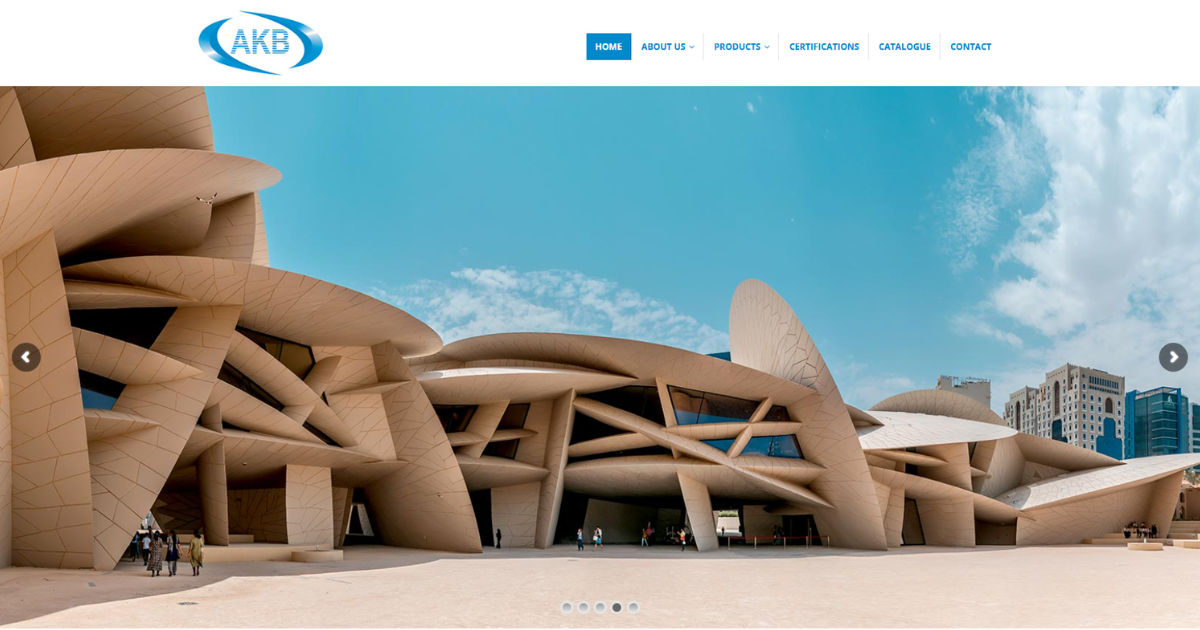
ACP panels provide a sleek, durable, and modern look while protecting buildings from external elements. However, to ensure their longevity, proper maintenance is crucial.
Akbari Engineering has long emphasized the importance of regular care and maintenance for ACP panels to keep buildings safe, attractive, and functional.
In this guide, we will explore everything you need to know about maintaining ACP panels in buildings.
From understanding what ACP panels are, common issues, step-by-step cleaning methods, preventive measures, and safety precautions, this article will serve as a comprehensive manual for property owners, managers, and enthusiasts alike.
ACP Panels
ACP panels are made of two thin layers of aluminum bonded to a non-aluminum core, typically made from polyethylene or fire-resistant materials. They are widely used for:
- Building facades
- Interior wall cladding
- Signage
- False ceilings
The appeal of ACP panels lies in their light weight, durability, versatility, and aesthetic appeal. They are resistant to corrosion, weather, and UV radiation, making them ideal for both exterior and interior applications.
However, without proper maintenance, ACP panels can lose their shine, develop stains, or even suffer structural damage over time. That’s why understanding the basics of care is the first step in ensuring long-term performance.
Common Issues with ACP Panels
Before diving into maintenance techniques, it is important to know the most common problems that affect ACP panels:
- Dirt and Dust Accumulation
ACP panels are often installed at high elevations. Dust, bird droppings, and pollution can accumulate on the surface, dulling their appearance. - Scratches and Surface Damage
Handling during installation or accidental contact can leave scratches. These need timely attention to prevent further damage. - Color Fading
Continuous exposure to sunlight can gradually fade the panel’s color, especially in areas with intense UV exposure. - Corrosion or Rusting
Though aluminum resists rust, the panel edges, fasteners, or joints may corrode if exposed to moisture or acidic rain. - Delamination
Improper installation or aging can sometimes cause layers of ACP panels to separate, weakening the structure. - Water Leakage
Poorly sealed panels can allow water to seep into the core, leading to swelling or degradation.
Identifying these issues early is vital for timely intervention and preservation of your building’s façade.
Essential Tools and Materials for ACP Panel Maintenance
To maintain ACP panels effectively, you need the right tools and cleaning materials. Using the wrong products can cause scratches or discoloration. Here is a list of essential items recommended by Akbari Engineering:
- Soft microfiber cloths or sponges
- Mild, non-abrasive detergents
- Bucket with clean water
- Ladder or scaffolding for high panels
- Soft-bristle brush for tough stains
- Protective gloves and goggles
- Spray bottles for cleaning solutions
- Silicone sealant for panel joints
- Non-abrasive polish (optional)
Avoid using strong acids, abrasive powders, steel wool, or high-pressure water directly on the panels, as these can permanently damage the surface.
Step-by-Step Cleaning Process for ACP Panels
Cleaning ACP panels regularly ensures that they retain their original color and finish. Here’s a detailed guide:
Step 1: Safety Preparation
Before starting, ensure all safety precautions are taken:
- Wear gloves and protective eyewear.
- Use secure ladders or scaffolding.
- Work in pairs for high-rise buildings to prevent accidents.
Step 2: Dust and Debris Removal
Begin with a dry cleaning process:
- Use a soft brush or microfiber cloth to remove loose dirt.
- Avoid using metal brushes or abrasive tools.
Step 3: Prepare Cleaning Solution
Mix a mild detergent with water. Avoid strong acids or alkalis. A ratio of one teaspoon of detergent per liter of water is sufficient.
Step 4: Gentle Washing
- Use a sponge or soft cloth dipped in the solution.
- Wipe the panel in a horizontal or vertical motion to remove dirt.
- For stubborn stains, let the solution sit for a few minutes before wiping.
Step 5: Rinse with Clean Water
- Use clean water to rinse the surface.
- Avoid high-pressure water jets, which can damage the panel joints.
Step 6: Dry the Panels
- Use a soft, dry cloth to wipe down the panels.
- Ensure no water remains in joints or edges to prevent corrosion.
Step 7: Optional Polishing
- For exterior panels, a non-abrasive polish can be applied to restore shine.
- Follow the manufacturer’s instructions carefully.
Akbari Engineering recommends this cleaning routine at least twice a year for exterior panels, and more frequently in areas with heavy pollution.
Preventive Maintenance Tips
Preventive maintenance not only keeps panels clean but also extends their life. Here are some effective tips:
- Regular Inspections
Inspect panels every 6-12 months for scratches, dents, water leakage, or color fading. - Seal Joints Properly
Use high-quality silicone sealant in panel joints to prevent water seepage. - Protect Against Physical Damage
Avoid leaning ladders or scaffolding directly on panels. Consider protective barriers during nearby construction work. - UV Protection
If possible, choose ACP panels with UV-resistant coatings, especially for buildings in sunny areas. - Address Corrosion Promptly
Replace or repair rusted fasteners immediately to prevent further damage. - Professional Help
Engage experienced professionals like Akbari Engineering for inspection and maintenance, particularly for high-rise buildings.
Maintenance for Interior ACP Panels
While exterior panels face weather challenges, interior ACP panels also require attention:
- Dust panels weekly using a microfiber cloth.
- Clean kitchen or washroom panels with mild detergents to remove grease or moisture stains.
- Check for scratches or dents and repair using recommended fillers or paints.
Interior maintenance is generally simpler, but neglect can still lead to fading, staining, or damage over time.
Common Mistakes to Avoid
Even with regular maintenance, improper methods can damage ACP panels. Avoid the following:
- Using strong chemicals like bleach or ammonia
- Applying abrasive pads or steel wool
- Ignoring minor scratches or dents
- Using high-pressure washers on exterior panels
- Skipping inspections for extended periods
Following these precautions can prevent irreversible damage.
Choosing the Right ACP Panels
Maintenance starts even before installation. Choosing high-quality ACP panels reduces the need for frequent repairs:
- Select panels with a protective PVDF coating for durability.
- Ensure fire-resistant cores for enhanced safety.
- Verify warranty and manufacturer support for maintenance guidelines.
Akbari Engineering recommends sourcing panels from trusted suppliers and confirming quality certifications before installation.
Benefits of Regular ACP Panel Maintenance
Maintaining ACP panels provides multiple benefits:
- Aesthetic Appeal – Panels remain shiny and new-looking for years.
- Structural Integrity – Regular maintenance prevents delamination and water damage.
- Cost Savings – Preventive care reduces the need for expensive replacements.
- Safety – Inspections ensure loose panels or fasteners are repaired promptly.
- Property Value – Well-maintained exteriors and interiors improve overall building value.
Advanced Maintenance Techniques
For large commercial or high-rise buildings, advanced maintenance may be required:
- Rope Access Cleaning: Used for skyscrapers to safely reach all panels.
- Hydrophobic Coatings: Reduce water and dust accumulation, making cleaning easier.
- Infrared Inspection: Identifies moisture trapped in panels, preventing corrosion or delamination.
- Professional Polishing: For restoring color and shine in older panels.
Engaging specialists like Akbari Engineering ensures these techniques are applied correctly and safely.
Environmental Considerations
Maintaining ACP panels is not just about appearance; it also contributes to sustainability:
- Proper cleaning reduces chemical runoff and environmental impact.
- Extending panel life decreases waste and the need for replacements.
- Selecting eco-friendly cleaning agents ensures safety for building occupants and the surroundings.
Maintenance Schedule Checklist
Here’s a simple schedule to follow for effective ACP panel maintenance:
| Frequency | Task |
|---|---|
| Weekly | Dusting interior panels |
| Monthly | Visual inspection for scratches, dents, or stains |
| Bi-Annually | Exterior panel cleaning and light polish |
| Annually | Full inspection, sealant check, fastener replacement |
| Every 2-3 Years | Professional inspection for delamination or corrosion |
Sticking to a schedule ensures longevity and prevents costly repairs.
Conclusion
ACP panels are a key component in modern building design, offering beauty, durability, and versatility. However, their long-term performance depends heavily on proper maintenance. Regular cleaning, preventive measures, timely repairs, and professional inspections are critical to ensuring the panels retain their appearance and structural integrity.
By following these detailed guidelines, building owners and managers can enjoy safe, attractive, and functional ACP panel installations for years to come. Trusting experienced professionals like Akbari Engineering guarantees expert maintenance and peace of mind.
Through careful attention, preventive care, and professional support, maintaining ACP panels becomes a straightforward process that enhances both the aesthetics and longevity of any building.