
A garage door is one of the largest moving parts of many homes, and replacing it is more than a matter of improving curb appeal. Homeowners in Arizona also need to think about heat, energy efficiency, noise, durability, and the way the garage connects to the rest of the house. One of the most important choices during a replacement project is whether to select an insulated door.
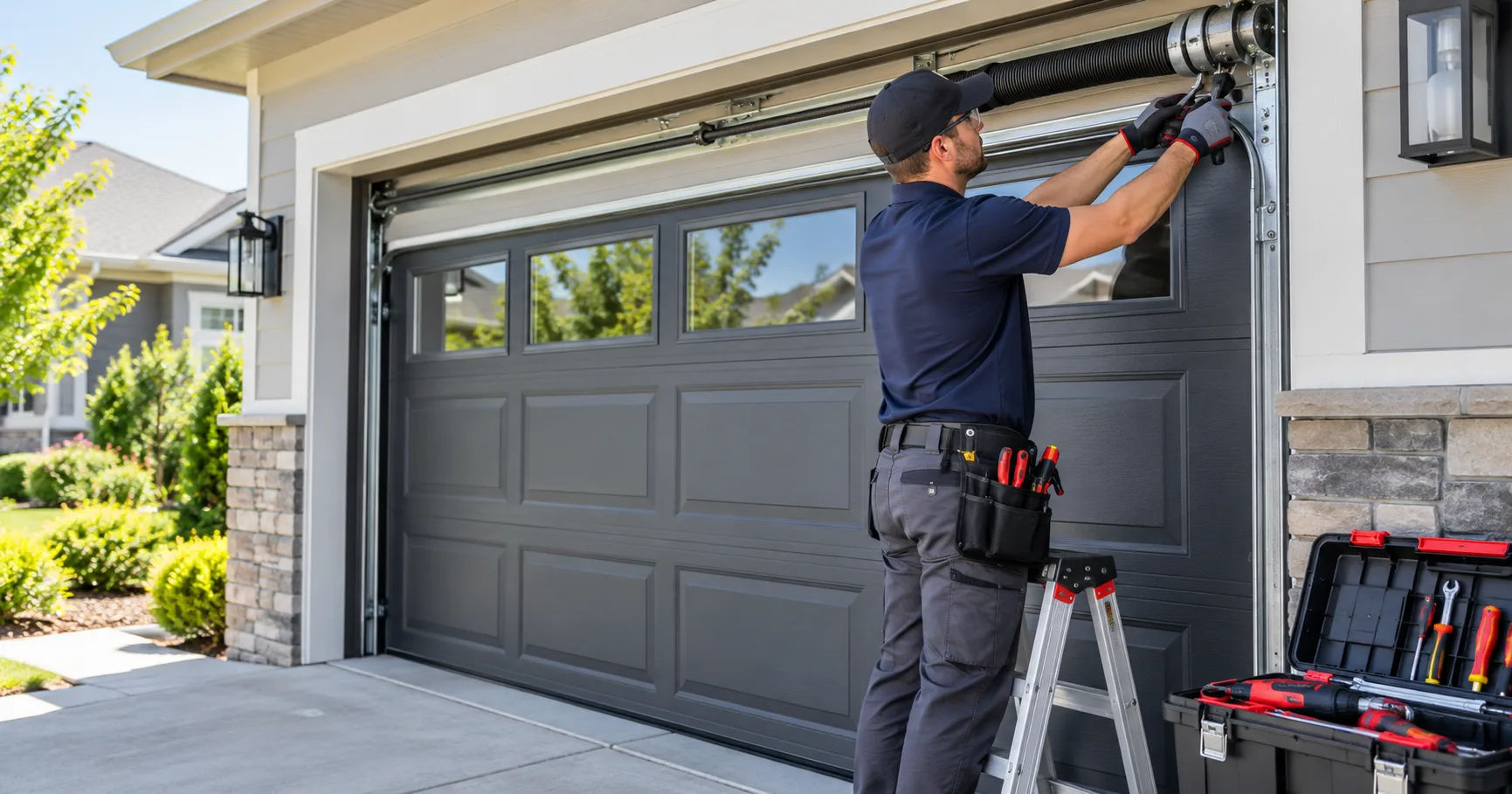
For homeowners considering Garage Door Replacement in Surprise AZ, insulation can be especially useful because Surprise experiences very hot summers, strong sunlight, and significant temperature differences between outdoor and indoor spaces. A properly insulated garage door can help moderate temperatures inside the garage while providing additional comfort and practical benefits.
The right choice, however, depends on how the garage is used, the home's layout, the existing insulation, and the homeowner's budget. Understanding these factors makes it easier to decide whether insulation is worth the additional investment.
Garage Door Insulation
Garage door insulation refers to material placed inside the sections of the garage door to slow the movement of heat between the garage and the outside environment. Common insulation materials include polyurethane and polystyrene.
An insulated garage door generally has a higher resistance to heat transfer than a basic uninsulated steel door. This resistance is often described by an R-value. A higher R-value generally indicates better insulation performance, although the overall construction of the door, seals, windows, and installation also matter.
Insulation does not make a garage completely climate controlled. Instead, it helps reduce the speed at which outdoor temperatures affect the garage interior.
Why Arizona Heat Matters
Surprise, Arizona, is known for long, hot summers. During the hottest periods, an enclosed garage can become considerably warmer than the living areas of a home.
A garage door receives direct sunlight for several hours depending on the property's orientation. Dark-colored doors can absorb substantial solar heat, while poorly sealed or thin doors provide little resistance to that heat.
This can make the garage uncomfortable for storage, hobbies, laundry, workshops, or other everyday activities.
An insulated door can help reduce the intensity of temperature swings. It will not eliminate heat, but it can create a more stable environment than a thin, uninsulated door.
When Should You Choose an Insulated Garage Door?
Insulation is not equally valuable for every homeowner. Some garages are primarily used for parking cars and storing outdoor equipment. Others function almost like an additional room.
If your garage is frequently occupied, insulation is usually more attractive.
Garages Connected to Living Areas
An attached garage can affect the comfort of rooms located directly beside or above it. Heat can move through shared walls and ceilings, particularly when those areas have insufficient insulation.
An insulated garage door can reduce one source of heat entering the garage. Combined with properly insulated walls, ceilings, and air-sealed openings, it can contribute to a more comfortable home.
For homeowners planning Garage Door Replacement in Surprise AZ, considering the relationship between the garage and nearby living spaces is important.
Garages Used as Workshops
Many homeowners use their garages for woodworking, automotive projects, crafting, exercise, or other hobbies.
Working in a garage during an Arizona summer can become unpleasant when temperatures rise dramatically. Insulation can help make the space more manageable, particularly when combined with ventilation or appropriate cooling.
It is important to remember that insulation alone will not cool a garage. If you want a comfortable workshop, the entire space needs to be evaluated.
Garages Used for Storage
Insulation can also benefit homeowners who keep temperature-sensitive belongings in their garages.
Paint, certain adhesives, electronics, tools, furniture, and other materials may not perform well when exposed to extreme temperatures for extended periods.
An insulated door does not create a temperature-controlled storage room, but reducing extreme temperature changes can provide a better environment.
Benefits of an Insulated Garage Door
There are several reasons homeowners consider insulation during a replacement.
Better Temperature Control
The biggest benefit is improved resistance to outdoor temperatures.
During summer, an insulated door can slow heat transfer into the garage. During cooler weather, it can also help slow heat loss.
This is particularly useful when the garage is attached to the house or used as a functional living or work area.
Improved Energy Efficiency
If your garage shares walls or ceilings with conditioned parts of the home, reducing heat transfer may help decrease the workload placed on the home's cooling system.
The actual energy savings vary considerably. Factors such as attic insulation, wall construction, air leakage, windows, HVAC efficiency, and garage usage all influence the result.
Therefore, insulation should be viewed as one part of an energy-efficiency strategy rather than a guaranteed way to dramatically lower utility bills.
Reduced Outdoor Noise
Many insulated garage doors are constructed with multiple layers, making them heavier and more substantial than basic doors.
That construction can help reduce the amount of outside noise entering the garage. It can also reduce noise from the garage itself.
This can be useful for homes near busy streets or neighborhoods where noise levels are noticeable.
Increased Door Strength
Some insulated garage doors have a more rigid construction than inexpensive single-layer doors.
Additional layers can improve resistance to everyday dents and wear. This can be valuable for families where bicycles, sports equipment, vehicles, or other objects regularly move through the garage.
The exact durability depends on the door's materials and construction.
More Comfortable Garage Conditions
Even if you do not turn your garage into a living space, a less extreme temperature environment can make everyday tasks easier.
Getting into a vehicle, organizing storage, doing maintenance, or simply spending a few minutes in the garage can be more comfortable when the space does not heat up as rapidly.
Different Types of Garage Door Insulation
Homeowners usually encounter several insulation choices when shopping for a new door.
Polystyrene Insulation
Polystyrene panels are commonly installed between layers of a garage door.
They offer useful thermal resistance and are often available at a relatively moderate price. They can be a practical choice for homeowners who want insulation without selecting the highest-end door available.
The performance depends on the thickness and design of the panels.
Polyurethane Insulation
Polyurethane insulation is often injected between the outer and inner layers of a garage door.
It can provide strong insulation performance while also adding rigidity to the door.
This option is often chosen by homeowners who want a higher-performance door and are willing to spend more initially.
Multi-Layer Construction
A garage door may be described as single-layer, double-layer, or triple-layer.
A single-layer door generally has one primary door surface. A double-layer design can include insulation and another backing layer. A triple-layer door commonly places insulation between interior and exterior layers.
More layers can improve strength, appearance, sound control, and thermal performance, but they can also increase cost.
What R-Value Should You Look For?
R-value is an important specification when comparing insulated garage doors.
A higher R-value generally means greater resistance to heat flow. However, homeowners should avoid choosing a door based only on this number.
For a home in Surprise, a reasonably high insulation level may be worthwhile, especially if the garage is attached to frequently occupied rooms.
The ideal R-value depends on the home's construction and how the garage is used. A homeowner who only parks vehicles may have different needs from someone who uses the garage as a workshop.
It is also important to check how the manufacturer calculates and reports R-value because testing methods can differ.
Insulation Is Only Part of the Equation
A high-quality insulated door cannot compensate for poor installation.
Even an excellent garage door can perform poorly if air gaps exist around its perimeter.
Weather Seals
The bottom seal helps close the gap between the garage door and the floor.
Side and top weather seals help reduce air movement around the edges. Damaged or poorly fitted seals can allow hot outdoor air into the garage.
When replacing a garage door, inspect the entire sealing system rather than focusing exclusively on the door panels.
Windows
Garage door windows can improve natural lighting and appearance, but they can also influence thermal performance.
If your garage receives intense afternoon sunlight, window placement, glazing, and shading should be considered.
Energy-efficient window options can provide a better balance between daylight and heat control.
Garage Ceiling and Walls
If the garage shares a wall with an air-conditioned room, insulating that wall can be extremely important.
Similarly, if there is a bedroom or other living area above the garage, the ceiling and floor assembly deserve attention.
A homeowner may spend significantly more on a highly insulated door while leaving major heat-transfer problems elsewhere.
Is Insulation Worth the Extra Cost?
For many homeowners in Surprise, the answer can be yes, but the value depends on individual circumstances.
An insulated garage door usually costs more than a basic uninsulated model. The additional price should be considered alongside expected durability, comfort, appearance, and long-term use.
If the garage is rarely occupied and the home is designed so that the garage has little effect on indoor comfort, an expensive high-R-value door may not provide enough additional value.
On the other hand, an attached garage that becomes extremely hot and shares boundaries with conditioned living areas is a stronger candidate for insulation.
Insulated vs. Uninsulated Garage Doors
An uninsulated door can make sense when budget is the primary concern and the garage has limited use.
It may also be appropriate for detached garages or structures where temperature control is not important.
An insulated door generally makes more sense when the garage is attached, frequently used, exposed to strong sunlight, or located near rooms where temperature comfort matters.
The decision should be based on the complete situation rather than simply selecting the cheapest available option.
What About Garage Door Weight?
Insulated doors can be heavier than basic doors, depending on their construction.
That means the garage door's spring system and opener need to be properly matched to the door.
Professional installation is particularly important because garage door springs operate under significant tension. Incorrect installation or improperly balanced equipment can create safety problems.
A replacement should include an assessment of the opener, springs, tracks, rollers, cables, and other major components.
Choosing the Right Door for Surprise Homes
When planning Garage Door Replacement in Surprise AZ, consider more than insulation alone.
Think about the door's material, color, design, windows, wind resistance, maintenance requirements, warranty, and expected lifespan.
A lighter-colored exterior can also be worth considering in a very sunny climate because surface color affects how much solar radiation the door absorbs.
Steel is popular because of its durability and relatively low maintenance requirements. Composite and other materials can provide different aesthetic and performance characteristics.
The best choice depends on the home and homeowner's priorities.
Questions to Ask Before Replacement
Before purchasing an insulated garage door, ask several practical questions.
What R-value does the door provide?
How is that R-value measured?
What type of insulation is used?
How many layers does the door have?
Are the perimeter seals included?
Are insulated window options available?
Is the existing garage door opener compatible with the new door?
Will the installer inspect the springs and tracks?
What warranty covers the door and insulation?
These questions can prevent homeowners from comparing products based only on appearance or price.
Common Mistakes to Avoid
One common mistake is assuming that the most expensive door is automatically the best choice.
Another is focusing exclusively on R-value while ignoring air leakage around the door.
Some homeowners also forget to consider the garage's ceiling and shared walls.
Buying an insulated door without addressing major gaps, damaged weather stripping, or poor installation can reduce the practical benefit of the investment.
Finally, homeowners should avoid attempting complicated spring or cable work themselves. These components can be dangerous when handled incorrectly.
How to Maximize the Benefits of Insulation
Once an insulated garage door is installed, simple maintenance can help preserve its performance.
Check the bottom seal periodically for cracks or deformation. Examine the side and top seals for gaps.
Keep tracks clean and have moving components inspected when necessary.
Do not place excessive weight on the door or alter its components without professional guidance.
If the garage remains unusually hot despite a new insulated door, inspect the roof, attic, walls, windows, ventilation, and air leakage. The door may be working correctly while another part of the building is allowing substantial heat inside.
When an Uninsulated Door May Be Enough
There are situations where insulation is not essential.
A detached garage used only for parking may not justify the additional expense.
Similarly, a homeowner with a strict replacement budget may prefer to invest first in structural repairs, a reliable opener, secure hardware, or other essential components.
An uninsulated door can still provide security, access, and curb appeal.
The key is to match the door to the property's actual needs.
Conclusion
For many homeowners, choosing an insulated garage door is a smart decision when replacing an aging door in the hot Surprise, Arizona climate. Insulation can reduce heat transfer, improve garage comfort, provide some noise reduction, and add rigidity to certain door designs.
However, insulation should not be considered a standalone solution. Weather seals, windows, walls, ceilings, ventilation, and professional installation all contribute to the garage's overall performance.
Homeowners planning Garage Door Replacement in Surprise AZ should evaluate how they use the garage and how closely it interacts with the rest of the house. A basic uninsulated door may be perfectly adequate for a rarely used detached garage, while an insulated multi-layer door can be a much better investment for an attached garage that becomes extremely hot or is used as a workspace.
The best approach is to compare insulation levels, construction quality, warranties, installation standards, and total cost rather than choosing a door based on price alone. With the right combination of materials and installation, a replacement garage door can improve both the appearance and everyday functionality of a Surprise home.