
Every year, thousands of vehicles reach the end of their useful life due to age, accidents, or expensive mechanical failures. Instead of allowing these vehicles to rust away in driveways or landfills, car wreckers play a vital role in recovering valuable materials and reusable parts.
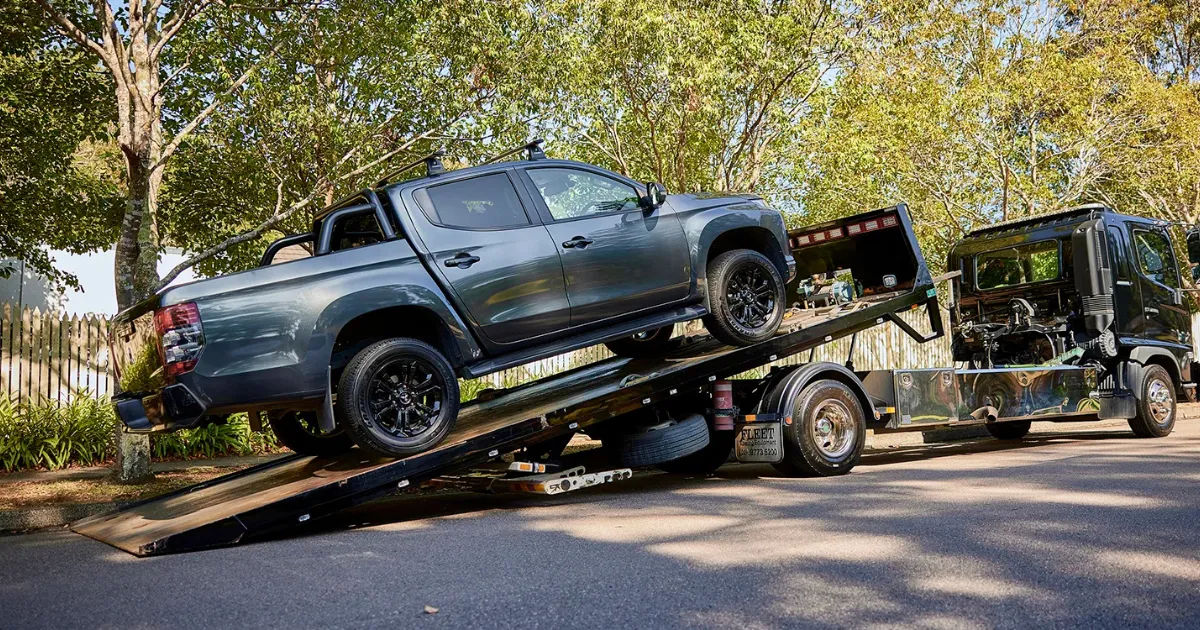
Understanding what happens when you dismantle an old car helps vehicle owners appreciate the environmental, economic, and practical benefits of the recycling process.Many people assume that an old vehicle is simply crushed into scrap metal. In reality, dismantling is a detailed process that involves inspection, draining hazardous fluids, removing reusable components, recycling metals, and safely disposing of waste.
Car wreckers carefully separate valuable materials so they can be reused, refurbished, or recycled, reducing waste while supporting the automotive industry.This guide explains every stage of dismantling an old vehicle, the benefits of proper recycling, the environmental impact, and why professional dismantling services are the best option.
Why Old Cars Should Be Properly Dismantled
Old vehicles contain hundreds of components made from different materials. While some parts are worn beyond repair, many still have value. Proper dismantling ensures that these resources are recovered instead of being wasted.
Professional dismantling also prevents dangerous fluids and hazardous materials from contaminating the environment. Batteries, engine oil, coolant, transmission fluid, and refrigerants require careful handling and disposal.
When vehicles are dismantled correctly, they contribute to a circular economy where materials remain in use for as long as possible.
The First Inspection
The dismantling process always begins with a thorough inspection.
Technicians evaluate the overall condition of the vehicle and determine which parts are reusable. Even cars that appear badly damaged often contain valuable components.
During the inspection, professionals identify:
-
Engine condition
-
Transmission performance
-
Suspension components
-
Steering system
-
Interior condition
-
Electrical components
-
Wheels and tires
-
Glass panels
-
Body panels
-
Catalytic converter
This assessment helps maximize the value recovered from every vehicle.
Documentation and Ownership Verification
Before dismantling begins, ownership documents are verified.
This important step prevents stolen vehicles from entering the recycling system and ensures compliance with local regulations.
Vehicle identification numbers are recorded, and ownership paperwork is checked before processing continues.
Removing Hazardous Fluids
One of the most important stages involves safely removing all vehicle fluids.
These include:
Engine Oil
Used engine oil contains contaminants that must never enter soil or waterways.
It is collected and sent for recycling or safe disposal.
Coolant
Coolant contains chemicals that can be harmful to humans, animals, and the environment.
Professionals drain and recycle it using approved methods.
Transmission Fluid
Transmission fluid is removed carefully to prevent contamination.
Many recycling facilities process used transmission fluids for future industrial use.
Brake Fluid
Brake fluid requires separate handling because of its chemical composition.
Proper disposal protects groundwater and ecosystems.
Fuel
Any remaining gasoline or diesel fuel is safely extracted.
Depending on its condition, it may be filtered for reuse or disposed of responsibly.
Air Conditioning Refrigerant
Vehicle air conditioning systems contain refrigerants that must be recovered using specialized equipment.
Improper release contributes to environmental damage.
Battery Removal
Car batteries contain lead and acid, making them hazardous waste if discarded improperly.
The battery is one of the first components removed during dismantling.
Fortunately, most battery materials are highly recyclable, including:
-
Lead
-
Plastic casing
-
Electrolyte components
Battery recycling significantly reduces mining demands for new raw materials.
Removing Valuable Auto Parts
One reason car wreckers remain important is their ability to recover functioning components.
Many parts continue working perfectly even after the vehicle reaches the end of its life.
These parts are cleaned, tested, and prepared for resale.
Common reusable parts include:
Engine
If the engine remains in good condition, it can provide years of additional service.
Many vehicle owners purchase used engines to reduce repair costs.
Transmission
Automatic and manual transmissions are expensive to replace.
Recovered transmissions undergo inspection before resale.
Starter Motor
Starter motors often outlast the vehicles they power.
Used units offer affordable replacement options.
Alternator
Alternators remain among the most frequently recycled automotive parts.
After testing, they are sold as quality used components.
Radiator
Radiators are inspected for leaks and structural damage before reuse.
Air Conditioning Compressor
Compressors often remain functional despite vehicle damage.
These units can be refurbished and installed in compatible vehicles.
Steering Rack
Steering components with minimal wear continue serving safely after inspection.
Suspension Parts
Shock absorbers, springs, and control arms may all be reused when they meet safety standards.
Interior Component Removal
The vehicle's interior contains numerous valuable parts.
Professionals carefully remove:
-
Seats
-
Dashboard
-
Instrument cluster
-
Steering wheel
-
Door panels
-
Center console
-
Mirrors
-
Airbags
-
Seat belts
-
Electronic modules
Many of these parts are difficult to find for older vehicles, making recycled components highly valuable.
Glass Recovery
Vehicle glass requires careful removal.
Reusable glass includes:
-
Windshields
-
Rear windows
-
Side windows
Damaged glass is recycled into new glass products whenever possible.
Tire and Wheel Removal
Wheels and tires are separated before the vehicle reaches the crusher.
If tires have adequate tread, they may be resold.
Otherwise, tire recycling converts them into:
-
Playground surfaces
-
Road materials
-
Sports fields
-
Rubber flooring
-
Industrial products
Steel and alloy wheels are also highly recyclable.
Catalytic Converter Recovery
Catalytic converters contain precious metals such as:
-
Platinum
-
Palladium
-
Rhodium
These rare metals make catalytic converters one of the most valuable components in an old vehicle.
They undergo specialized recycling to recover these precious materials.
Wiring Harness Removal
Modern vehicles contain significant amounts of copper wiring.
Copper remains one of the world's most valuable recyclable metals.
Technicians remove wiring harnesses before metal processing begins.
Recovered copper enters manufacturing for new products.
Plastic Component Recycling
Today's vehicles contain large quantities of plastic.
Common plastic components include:
-
Bumpers
-
Dashboard pieces
-
Engine covers
-
Air ducts
-
Interior trim
-
Storage compartments
Many plastics are sorted according to type before recycling into new products.
Aluminum Recovery
Aluminum plays a major role in modern automotive manufacturing.
Common aluminum components include:
-
Wheels
-
Engine blocks
-
Cylinder heads
-
Transmission housings
-
Suspension parts
Because aluminum is lightweight and infinitely recyclable, recovering it conserves substantial energy.
Steel Recycling
Steel forms the largest portion of most vehicles.
After reusable components are removed, the remaining shell is crushed and transported to recycling facilities.
Large shredders separate steel from other materials using magnets.
Recycled steel becomes raw material for:
-
New vehicles
-
Construction materials
-
Appliances
-
Machinery
-
Industrial equipment
Steel recycling significantly reduces energy consumption compared to producing new steel from iron ore.
Electronic Components
Modern cars contain dozens of electronic modules.
These include:
-
Engine computers
-
ABS modules
-
Navigation systems
-
Sensors
-
Infotainment units
Many electronics are refurbished for resale, while damaged units undergo electronic recycling to recover valuable metals.
Airbag Handling
Airbags require special attention during dismantling.
Some airbags are safely removed before deployment, while others are discharged according to safety regulations.
Proper handling protects workers from accidental activation.
Environmental Benefits of Dismantling Old Cars
Responsible dismantling provides enormous environmental advantages.
These include:
Less Landfill Waste
Millions of automotive parts avoid landfill disposal through recycling.
Reduced Mining
Recovering metals reduces demand for mining operations.
Lower Energy Consumption
Manufacturing products from recycled metals requires much less energy than producing new materials.
Pollution Prevention
Safe fluid removal prevents harmful chemicals from contaminating ecosystems.
Reduced Carbon Emissions
Recycling automotive materials lowers greenhouse gas emissions associated with raw material extraction.
Economic Benefits
Vehicle dismantling benefits consumers, businesses, and manufacturers.
Major economic advantages include:
-
Affordable replacement parts
-
Lower repair costs
-
Increased recycling jobs
-
Reduced manufacturing expenses
-
Better resource efficiency
The recycled parts industry supports thousands of businesses worldwide.
Why Professional Dismantling Matters
Some people consider dismantling vehicles themselves.
However, modern cars contain hazardous materials, pressurized systems, and complicated electronics.
Professional dismantling offers:
-
Safe handling
-
Proper recycling
-
Legal compliance
-
Environmental protection
-
Maximum value recovery
Specialized equipment allows technicians to complete the process efficiently.
The Role of Vehicle Recycling Facilities
Modern recycling facilities use advanced technology to maximize recovery.
Equipment includes:
-
Hydraulic lifts
-
Fluid extraction systems
-
Metal shredders
-
Magnetic separators
-
Aluminum separators
-
Plastic sorting equipment
These technologies increase recycling efficiency while reducing waste.
What Cannot Be Reused?
Although most vehicle materials are recyclable, certain components cannot always be reused.
Examples include:
-
Severely rusted parts
-
Broken plastic pieces
-
Contaminated upholstery
-
Damaged airbags
-
Cracked engine blocks
Even when reuse is impossible, many materials can still be recycled.
Common Myths About Dismantling Old Cars
Myth 1: Everything Is Crushed
Only the remaining vehicle shell is crushed after valuable parts are removed.
Myth 2: Old Cars Have No Value
Even severely damaged vehicles contain recyclable metals and reusable parts.
Myth 3: Recycling Takes Too Long
Professional dismantling is highly organized and often completed within a short period.
Myth 4: Recycling Harms the Environment
Proper dismantling actually protects natural resources and reduces pollution.
How Vehicle Owners Benefit
Owners enjoy several advantages when choosing professional dismantling services.
These include:
-
Extra cash from unwanted vehicles
-
Convenient vehicle removal
-
Environmentally responsible disposal
-
Reduced storage problems
-
Peace of mind
Instead of paying for expensive repairs, many owners choose recycling as the smarter financial decision.
The Future of Vehicle Dismantling
As automotive technology evolves, dismantling processes continue improving.
Electric vehicles introduce new recycling challenges involving lithium-ion batteries and advanced electronics.
Future recycling facilities will increasingly focus on recovering rare earth materials, battery components, and lightweight composites.
Automation, robotics, and artificial intelligence will further improve dismantling efficiency while increasing material recovery rates.
These innovations will make automotive recycling even more sustainable in the coming decades.
Tips Before Sending Your Old Car for Dismantling
Before arranging dismantling, owners should prepare the vehicle.
Helpful steps include:
-
Remove personal belongings.
-
Collect ownership documents.
-
Remove registration items if required.
-
Gather spare keys.
-
Check for valuable accessories.
-
Cancel insurance when appropriate.
-
Ask about recycling certificates if needed.
Preparation helps the process move smoothly.
Conclusion
Dismantling an old car is far more than simply crushing metal. It is a carefully managed process that protects the environment, conserves valuable resources, and supports affordable vehicle repairs. From inspecting reusable parts and safely draining hazardous fluids to recovering steel, aluminum, plastics, glass, and precious metals, every stage contributes to a more sustainable automotive industry. Car wreckers ensure that functioning components continue serving other vehicles while recyclable materials are transformed into new products instead of ending up in landfills.
Choosing experienced car wreckers also benefits vehicle owners by providing a convenient, legal, and environmentally responsible solution for unwanted vehicles. As automotive technology advances, recycling methods will continue becoming more efficient, helping reduce waste, lower carbon emissions, and preserve natural resources for future generations. Proper dismantling is not just the end of a vehicle's life—it is the beginning of a new cycle where valuable materials are recovered, reused, and given a second purpose.