
Cellular health is an important part of overall wellness because the cells in your body help produce energy, repair tissues, support immunity, and maintain normal body functions. Although many people focus on their weight, blood pressure, or cholesterol levels, understanding what happens inside the body at a cellular level can provide another perspective on health. 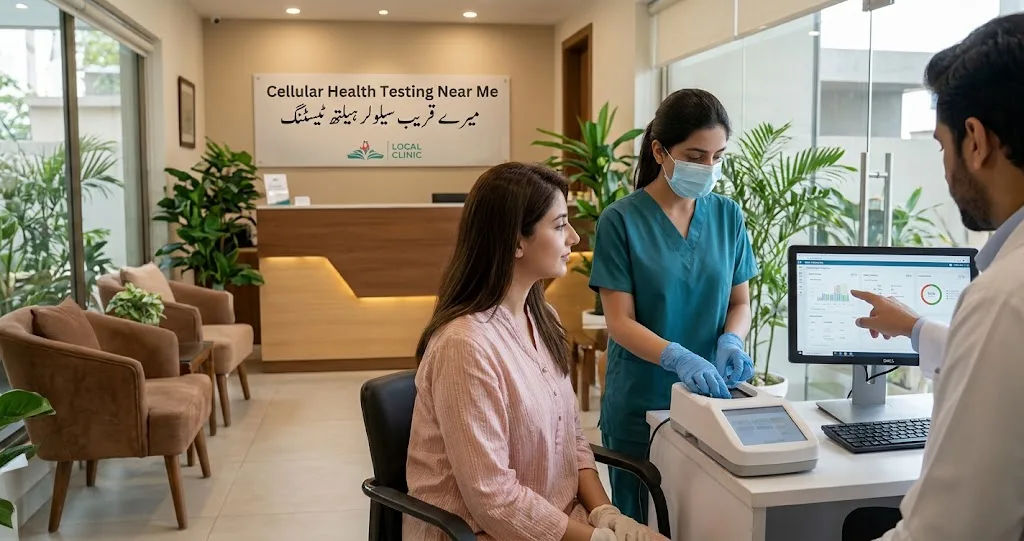 This is why more people are exploring cellular health testing near me to learn about their body's condition and make informed decisions about their wellness routines.
However, cellular health testing is not necessarily suitable for everyone, and different tests measure different things. Some examine specific nutrients or metabolic markers, while others assess particular aspects of cellular function. The usefulness of a test depends on the method used, the person's health history, and the questions they want to answer.
Understanding who may benefit from cellular health testing can help you decide whether it is worth discussing with a qualified healthcare professional. This comprehensive guide explains who should consider these tests, what they may reveal, their potential benefits and limitations, and how to choose an appropriate testing provider.
What Is Cellular Health Testing?
Cellular health testing refers to a range of tests designed to examine biological processes that affect the function and condition of cells. Cells are the basic building blocks of the human body. They require nutrients, oxygen, energy, and effective waste removal to perform their jobs properly.
Depending on the test, cellular health assessments may examine nutrient levels, metabolic activity, oxidative stress, mitochondrial function, or other biological markers. These measurements can sometimes provide useful information about specific aspects of health.
It is important to understand that there is no single test that measures every part of cellular health. Different laboratories use different methods, and the accuracy and clinical usefulness of their results can vary.
How Does Cellular Health Testing Work?
The testing process depends on the type of assessment being offered. Some tests use blood samples, while others may involve urine or other biological specimens. Certain specialized assessments may use laboratory methods to examine particular cellular processes.
After collecting the sample, the laboratory analyzes it for the markers included in the test. Results may be presented as numerical measurements, reference ranges, or explanations of selected biological processes.
A healthcare professional can help determine what the results mean in the context of your symptoms, medical history, medications, and other laboratory findings.
What Can Cellular Health Testing Measure?
Depending on the specific test, possible measurements include:
-
Nutrient status: Selected vitamins, minerals, and other nutrients that support normal cellular function.
-
Metabolic markers: Indicators related to how the body processes nutrients and produces energy.
-
Oxidative stress markers: Measurements associated with the balance between reactive molecules and antioxidant defenses.
-
Mitochondrial function: Specialized assessments of processes involved in cellular energy production.
-
Other biological indicators: Certain tests may examine markers associated with inflammation or other physiological processes.
Not every provider offers all these measurements. Before booking an appointment, ask exactly what the test measures and whether the results are supported by reliable clinical evidence.
Who Should Consider Cellular Health Testing?
Cellular health testing may be worth considering for people with particular health concerns, nutritional questions, or wellness goals. The most appropriate candidates are those who have a clear reason for testing and understand how the findings could influence their next steps.
Searching for cellular health testing near me can help you identify nearby laboratories and wellness providers, but availability alone should not determine your decision. The test must be appropriate for your needs.
1. People Experiencing Persistent Fatigue
Ongoing tiredness is one reason people become interested in cellular health. Cells require energy to support movement, concentration, organ function, and tissue repair. Mitochondria play a central role in producing much of the energy used by the body.
When someone feels tired despite getting enough sleep, they may wonder whether nutrient deficiencies or metabolic issues are contributing to the problem.
However, persistent fatigue has many possible causes. These include anemia, thyroid disorders, sleep problems, medication effects, infections, stress, and other medical conditions.
A cellular health assessment may provide additional information in selected circumstances, but it should not replace a medical evaluation. A healthcare professional can recommend appropriate tests based on the person's symptoms and history.
2. Adults Interested in Preventive Healthcare
People who want to take a proactive approach to their health may be interested in understanding selected biological markers before symptoms develop.
Preventive healthcare generally focuses on identifying recognized health risks, monitoring important measurements, and encouraging habits that reduce the likelihood of future illness.
For example, blood pressure checks, cholesterol testing, diabetes screening, and recommended cancer screenings have established roles in preventive care for appropriate individuals.
Cellular health testing may offer supplementary information in certain situations, but it should not be considered a substitute for these established measures. Some commercial cellular wellness tests have limited evidence showing that they improve long-term health outcomes.
Adults considering additional testing should ask whether the results are likely to change their care plan.
3. People Concerned About Nutritional Deficiencies
Nutrients support many cellular activities, including energy production, DNA synthesis, tissue maintenance, and normal immune function.
People with restricted diets, limited food variety, certain digestive conditions, or increased nutritional requirements may have a reason to investigate their nutrient status.
For instance, vitamin B12 deficiency can contribute to fatigue and neurological symptoms, while iron deficiency may cause weakness and reduced exercise tolerance. Other deficiencies can also affect normal body functions.
A qualified healthcare professional can determine which nutrient tests are appropriate. Testing should focus on specific, meaningful questions rather than measuring every available marker without a clear reason.
If a deficiency is identified, treatment can be tailored to the individual's needs. Taking high doses of supplements without confirming a deficiency can be unnecessary and, in some cases, harmful.
4. People With Unexplained Health Concerns
Some people experience symptoms that remain unexplained after an initial medical assessment. They may seek additional testing to understand whether a particular biological process could be involved.
Depending on the symptoms, further evaluation might include standard blood tests, hormone measurements, nutritional assessments, or other targeted investigations.
Specialized cellular testing may occasionally be relevant, but it is not automatically the next step for every unexplained symptom.
The best approach is to discuss ongoing concerns with a healthcare professional who can review previous results and decide whether additional testing is justified.
Avoid providers who promise that a single cellular test will identify the cause of every symptom or reveal hidden diseases with certainty.
5. Athletes and Physically Active Individuals
Athletes and people who exercise regularly may be interested in how nutrition, recovery, and training affect their bodies.
Physical activity increases the body's demand for energy and places temporary stress on muscles and other tissues. Recovery depends on sufficient nutrition, hydration, sleep, and appropriate training intensity.
Certain laboratory tests may be useful for athletes when symptoms, dietary patterns, or training demands raise specific concerns. For example, a clinician may recommend evaluating iron status when there is a reasonable suspicion of iron deficiency.
Some specialized assessments may investigate selected metabolic or cellular processes, but their usefulness for predicting athletic performance or determining an ideal training program varies.
Most people can support exercise recovery through balanced meals, adequate sleep, hydration, and a sensible training schedule without purchasing extensive cellular testing packages.
6. People Interested in Healthy Aging
As people grow older, they may become more interested in maintaining mobility, energy, memory, and independence.
Researchers study cellular processes such as mitochondrial function, DNA damage, inflammation, and cellular senescence to better understand aging. These processes are important areas of scientific investigation.
However, measuring a marker associated with aging does not necessarily reveal a person's biological age accurately or predict how long they will live.
People considering cellular health testing for healthy aging should distinguish between established clinical tests and experimental assessments marketed as longevity tools.
Evidence-based healthcare remains essential. Regular physical activity, nutritious eating, adequate sleep, avoiding tobacco, and managing recognized health risks are practical ways to support long-term well-being.
7. People Following Specialized Diets
Vegetarians, vegans, people following restrictive diets, and individuals with food intolerances may sometimes have increased risk of particular nutrient deficiencies.
For example, vitamin B12 deserves special attention in vegan diets because reliable natural food sources are limited. Iron, calcium, iodine, vitamin D, and other nutrients may also require consideration depending on food choices and individual circumstances.
Testing can be useful when a healthcare professional suspects a deficiency or when dietary history indicates a meaningful risk.
A nutrition professional can help determine whether laboratory testing is necessary and how to interpret the results.
Rather than ordering a broad cellular wellness panel without guidance, choose assessments that address specific nutritional concerns.
8. People With Certain Chronic Health Conditions
Individuals living with chronic conditions may require laboratory monitoring to understand their health and guide treatment.
Depending on the condition, clinicians may monitor glucose, kidney function, liver function, blood counts, cholesterol, nutrient levels, or other relevant markers.
These tests can help assess disease activity, identify complications, or evaluate whether treatment is working.
Some cellular health measurements may provide additional information in selected clinical settings, but they should not replace tests recommended for managing an established condition.
Anyone with a chronic illness should discuss additional testing with their treating clinician, particularly if the results could affect medications, supplements, or other treatment decisions.
Who May Not Need Cellular Health Testing?
Not everyone needs specialized cellular testing. Healthy people without symptoms, nutritional risk factors, or a specific medical concern may receive little practical benefit from extensive testing.
Testing is most useful when it answers a clear question and produces information that can guide a reasonable decision.
People Without Specific Health Concerns
If you feel well and have no particular risk factors, a broad cellular health panel may not be necessary. Your healthcare needs are better addressed through routine preventive care, age-appropriate screening, and discussions about your personal and family medical history.
Additional testing may create unnecessary expense or concern when results are difficult to interpret.
People Seeking a Single Explanation for Every Symptom
Cellular health is complex, and no single measurement can explain every aspect of physical or mental well-being.
Fatigue, difficulty concentrating, digestive discomfort, and changes in exercise tolerance can have different causes. A test that measures one biological marker cannot reliably diagnose all these problems.
People experiencing persistent or worsening symptoms should seek an appropriate medical assessment instead of relying solely on a wellness test.
People Planning to Start High-Dose Supplements
Some individuals purchase cellular health tests because they want to select supplements based on the results.
Although targeted testing can sometimes help identify nutritional needs, commercial recommendations are not always supported by strong evidence. More supplements do not automatically lead to better health.
Excessive amounts of certain vitamins and minerals can cause side effects or interact with medications. Supplement decisions should be based on established needs, reliable evidence, and professional guidance when appropriate.
How to Find a Suitable Cellular Health Testing Provider
Choosing a provider involves more than finding the closest location. The quality of the test, laboratory standards, professional interpretation, and transparency of the service are all important.
When comparing cellular health testing near me options, consider the following factors.
Check the Laboratory's Qualifications
Ask which laboratory performs the analysis and whether it follows recognized quality standards.
Depending on your country and the type of test, relevant indicators may include accreditation, licensing, validated laboratory methods, and participation in external quality assessment programs.
Accreditation can provide useful reassurance about laboratory quality, but it does not automatically prove that every test offered is clinically useful.
What the Test Actually Measures
Request a clear explanation of the markers included in the assessment.
Ask whether the test measures an established clinical indicator, an experimental research marker, or a measurement primarily intended for wellness purposes.
A responsible provider should explain the test's purpose, limitations, and possible applications without promising guaranteed results.
Ask About Sample Collection and Preparation
Some tests require fasting, while others do not. Certain medications, supplements, recent exercise, or the timing of sample collection may influence particular measurements.
Follow the laboratory's instructions carefully. Do not stop prescribed medication unless your healthcare professional specifically advises you to do so.
Ask whether the sample is collected at the facility, at home, or through another approved method.
Review the Cost and Follow-Up Services
Testing costs can vary considerably depending on the number of markers, laboratory methods, and professional services included.
Before paying, ask whether the price covers sample collection, laboratory analysis, a written report, and a consultation to explain the results.
You should also find out whether repeat testing is recommended and why. Repeated assessments are not automatically necessary simply because a provider offers them.
Look for Responsible Communication
A trustworthy provider should explain what the test can and cannot tell you.
Be cautious of claims that one test can reveal every nutrient deficiency, accurately predict future disease, reverse aging, or guarantee improved energy.
Good healthcare communication acknowledges uncertainty and encourages appropriate medical care when needed.
How to Prepare for Cellular Health Testing
Preparation depends on the type of test being performed. The laboratory or healthcare professional should provide instructions specific to your assessment.
Before your appointment, consider the following steps:
-
Clarify the purpose: Identify the health question you want the test to address.
-
Share your medical history: Explain relevant symptoms, existing conditions, and previous laboratory results.
-
List your medications and supplements: These details can help a professional interpret certain measurements.
-
Follow preparation instructions: Fast only if specifically instructed, and ask about exercise or other activities that may affect the test.
-
Ask when results will be available: Find out how the report will be delivered and who can explain it.
-
Plan a follow-up discussion: Make sure you understand what the results mean and whether any action is necessary.
These steps can help you avoid confusion and make the testing process more useful.
Your Cellular Health Test Results
Receiving a laboratory report is only one part of the process. The next step is understanding how the results relate to your health.
Reference Ranges Are Not the Whole Story
A reference range describes values observed or established for a particular testing method and population. A result outside the range does not always mean that a person has a disease, and a result within the range does not rule out every health problem.
Interpretation depends on the specific marker, the person's circumstances, and the reason the test was ordered.
Some commercial reports use wellness scores or simplified categories. These may be easy to read, but their meaning depends on how the score was developed and whether it has been validated.
Results Should Guide Appropriate Decisions
A meaningful result should help answer a practical question.
For example, a confirmed nutrient deficiency may lead to dietary changes, supplementation, or further investigation into its cause. An abnormal result on a recognized clinical test may require follow-up testing or treatment.
By contrast, a change in an experimental cellular marker may have no established treatment or clear implications for future health.
Ask your healthcare professional which findings matter most and what actions, if any, are supported by evidence.
Retesting Is Not Always Necessary
Some biomarkers change over time because of illness, diet, medication, physical activity, or ordinary biological variation.
Repeat testing can be useful when monitoring a known condition or checking whether treatment has worked. However, repeating a test without a clear reason may add expense without improving care.
The decision should depend on the test, the original result, and the clinical question.
Ways to Support Cellular Health Without Unnecessary Testing
Testing is only one possible part of a broader approach to wellness. Everyday habits support the body's normal cellular functions and can also reduce the risk of several chronic diseases.
Eat a Balanced Diet
Include vegetables, fruits, whole grains, legumes, protein sources, and healthy fats in your regular meals. A varied diet helps provide nutrients needed for normal energy production, tissue maintenance, and other cellular activities.
If you follow a restrictive diet, consider speaking with a qualified nutrition professional about meeting your nutritional needs.
Stay Physically Active
Regular physical activity supports cardiovascular fitness, metabolic health, muscle strength, and overall well-being.
Choose activities suited to your fitness level and medical circumstances. Build consistency gradually rather than relying on intense exercise to produce quick results.
Prioritize Sleep and Recovery
Sleep supports many biological processes, including tissue repair, memory, immune function, and metabolic regulation.
Establish a regular sleep schedule and create an environment that makes restful sleep easier. Persistent sleep difficulties may warrant professional evaluation.
Avoid Tobacco and Limit Harmful Exposures
Tobacco use increases the risk of serious health conditions. Avoiding smoking and exposure to tobacco smoke is an important step toward protecting long-term health.
Follow appropriate workplace and environmental safety guidance to reduce exposure to harmful substances.
Manage Stress and Maintain Preventive Care
Long-lasting stress can affect sleep, behavior, and physical well-being. Relaxation practices, supportive relationships, and regular physical activity may help manage stress.
Continue recommended preventive screenings and routine medical appointments. These established measures remain important even if you decide to pursue additional cellular testing.
Questions to Ask Before Booking an Appointment
Before choosing a provider, prepare questions that help you understand whether the assessment is appropriate.
Consider asking:
-
What specific biological markers will the test measure?
-
Is the testing method clinically validated?
-
What evidence supports using these measurements to guide healthcare decisions?
-
Who will interpret my results?
-
Could the findings change my treatment or lifestyle plan?
-
Are there any risks, limitations, or preparation requirements?
-
What is the total cost, including consultations and follow-up testing?
-
Are there established alternatives that would answer the same health question?
Clear answers can help you make a more informed choice. If a provider cannot explain the test's purpose or relies on exaggerated claims, consider seeking a second opinion.
Conclusion
Cellular health testing can be worth considering for people who have specific nutritional concerns, persistent fatigue, selected medical questions, or an interest in understanding particular biological processes. Athletes, individuals following restrictive diets, and people managing certain chronic conditions may also benefit from targeted assessments when a qualified healthcare professional believes the results could guide appropriate care.
However, not everyone needs specialized testing. Its value depends on the accuracy of the method, the clinical usefulness of the markers, and whether the findings can support meaningful decisions. A test should not be viewed as a complete measure of health, a guaranteed way to prevent disease, or a substitute for routine medical care.
When exploring cellular health testing near me, look beyond convenience and marketing claims. Check the laboratory's qualifications, ask what the assessment measures, understand its limitations, and confirm that the results will be interpreted appropriately. Discuss symptoms, nutritional concerns, and existing medical conditions with a healthcare professional before deciding which tests are necessary.
Most importantly, remember that cellular health is influenced by many interconnected factors. Balanced nutrition, regular exercise, adequate sleep, stress management, and evidence-based preventive care remain essential parts of long-term wellness. By combining these habits with targeted testing when appropriate, you can make more informed decisions about your health without spending money on assessments that may offer little practical benefit.