
If you are searching for information about my neighborhood wifi, especially how free hotspot trials with unlimited data work, you are not alone.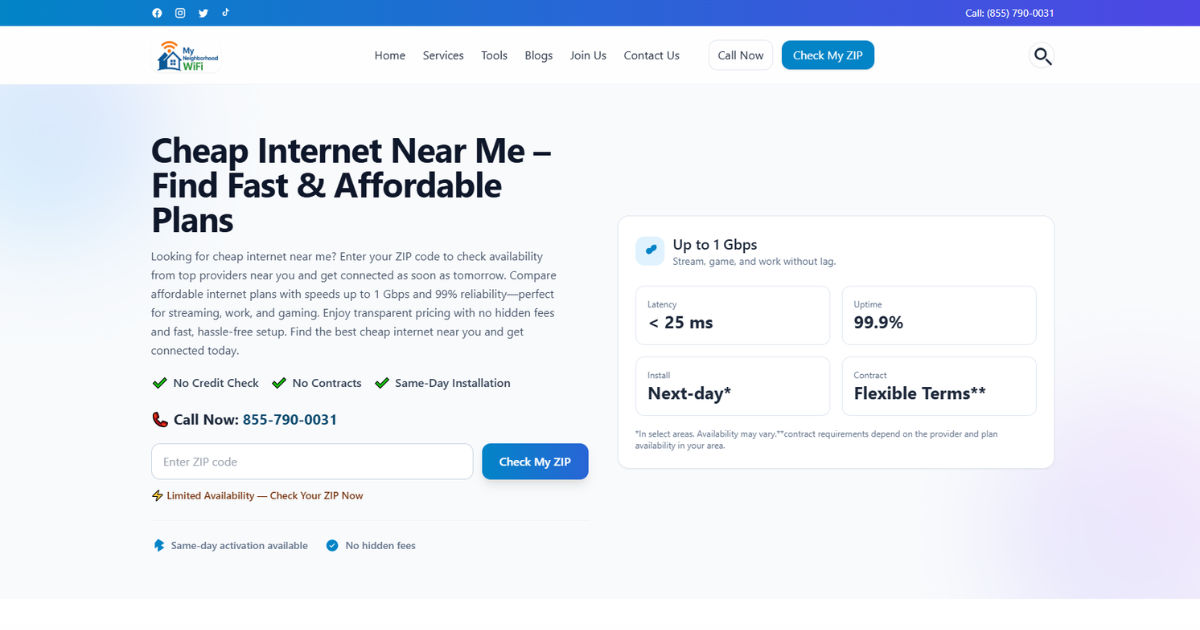
Many people today want to test internet services before paying for them, and they often wonder whether they need a special device to access these free hotspot trials or if their phone is enough.
In this detailed guide, we will break down everything in a simple way so a 12th-grade student can easily understand it. We will explore how hotspot trials work, whether a device is required, and what kind of devices are compatible.
We will also look at real-world limitations, myths, and practical steps so you can understand the full picture of my neighborhood wifi and how free internet trials actually function.
Free Hotspot Trials
Free hotspot trials are promotional offers provided by internet companies or mobile carriers. These trials allow users to access internet data without paying for a short period. The purpose is to let customers test network speed, coverage, and reliability before subscribing.
When people talk about my neighborhood wifi, they often imagine a shared or local internet service that can be tested before commitment. Free hotspot trials are similar in concept because they allow temporary access to wireless internet without long-term contracts.
These trials usually work through mobile networks or portable hotspot devices. The idea is simple: the company gives you temporary internet access so you can decide if you want to continue the service.
However, not all trials are the same. Some are limited in speed, while others may offer full-speed access for a short time. That is why understanding the device requirement is important when discussing my neighborhood wifi services.
Do You Need a Device for Free Hotspot Trials?
The short answer is yes—you always need some type of device to use a hotspot trial. But the type of device can vary.
You do not necessarily need a special device, because your smartphone, tablet, or laptop can often connect to a hotspot. However, in some cases, companies provide dedicated hotspot devices for testing.
When exploring my neighborhood wifi, people often assume that internet comes directly without hardware. In reality, internet signals must be received through a device, whether it is a phone or a router.
So, the real question is not whether you need a device, but which device is most suitable.
Types of Devices Used for Hotspot Trials
There are generally three types of devices used in hotspot trials. Each one serves a different purpose depending on how the service is designed.
Smartphones as Hotspot Devices
The most common device used is a smartphone. Almost every modern phone can act as a hotspot by sharing its mobile data with other devices.
This is often the first experience people have with my neighborhood wifi, especially when they test mobile networks in their area.
With a smartphone, you can turn on the hotspot feature and connect laptops or other devices instantly. It is simple, fast, and does not require extra equipment.
However, smartphone hotspots can drain battery quickly and may not provide the strongest signal for multiple devices.
Dedicated Hotspot Devices (MiFi Devices)
Some companies provide portable hotspot devices, often called MiFi devices. These are small routers that use SIM cards to generate Wi-Fi signals.
These devices are designed specifically for internet sharing and are more stable than smartphones for long usage.
When people test my neighborhood wifi, these devices often give a more accurate idea of internet performance because they are built for continuous connectivity.
They can connect multiple devices at the same time and usually offer better battery life compared to phones.
Home Routers with Trial SIMs
In some cases, internet providers offer trial SIM cards that can be inserted into home routers. These routers then broadcast Wi-Fi throughout a house.
This is the closest experience to real home internet and is often used when testing my neighborhood wifi services in residential areas.
This option is more stable and is ideal for families or people working from home.
How Free Hotspot Trials Work
Free hotspot trials work by giving you temporary access to a mobile or wireless network. The provider activates your SIM, device, or hotspot plan for a limited time.
Once activated, you can connect your devices just like normal internet. This is how people often test my neighborhood wifi before deciding whether to subscribe.
The trial period may last from a few hours to a few weeks depending on the provider. Some companies require registration, while others may need a credit card for verification.
During the trial, data usage may be monitored, even if the service is advertised as unlimited.
Unlimited Data in Hotspot Trials: Reality vs Marketing
Many people get attracted to the idea of “unlimited data” during free hotspot trials. However, unlimited does not always mean truly unlimited.
Most providers have fair usage policies. This means after a certain amount of data usage, your speed may be reduced.
When testing my neighborhood wifi, users often notice that speed varies depending on time of day and network traffic.
So, while the trial may feel unlimited, there are often hidden limits that affect performance.
Do All Trials Require SIM Cards or eSIM?
Most hotspot trials require either a physical SIM card or an eSIM. These are used to connect your device to the mobile network.
If you are using a smartphone for my neighborhood wifi testing, you likely already have a SIM installed. In other cases, providers may send a temporary SIM or activate an eSIM remotely.
Without SIM technology, hotspot trials cannot function because the device needs network authentication.
Setup Process for Hotspot Trials
Setting up a hotspot trial is usually simple and does not require technical knowledge.
First, you receive activation instructions from the provider. Then, you insert the SIM or activate the eSIM. After that, you turn on the hotspot feature on your device or router.
When testing my neighborhood wifi, users usually check signal strength and speed right after setup to see if the service meets expectations.
Finally, you connect your devices such as phones, laptops, or smart TVs to the hotspot network.
Limitations of Free Hotspot Trials
Even though hotspot trials are useful, they come with limitations.
One major limitation is network congestion. If many users are connected in the same area, speed can drop significantly. This is something people often notice when evaluating my neighborhood wifi services.
Another limitation is device compatibility. Some older phones or laptops may not support modern hotspot technology.
Battery usage is also a concern for smartphone-based hotspots.
Security Concerns in Hotspot Usage
Using free hotspot trials can expose users to security risks if not handled properly.
Public or shared hotspots can sometimes be vulnerable to hacking or unauthorized access. It is important to use strong passwords and avoid sharing sensitive data.
When testing my neighborhood wifi, users should always check if the network is encrypted.
Using VPNs can also improve security during hotspot usage.
Cost Considerations After Trial Ends
Most hotspot trials are free only for a limited time. After that, users must choose a paid plan.
Costs vary depending on data limits, speed, and provider quality.
When people experience my neighborhood wifi during a trial, they often compare different providers before making a decision.
Some plans may appear cheap but include hidden fees or speed restrictions.
Common Misconceptions About Hotspot Trials
Many people believe hotspot trials are completely unlimited and identical to home broadband. This is not true.
Another misconception is that no device is required. As explained earlier, every internet connection needs a device.
Some users also think my neighborhood wifi works without SIM cards or network infrastructure, which is incorrect.
Understanding these misconceptions helps users make better decisions.
Why Device Choice Matters
Choosing the right device can greatly affect your internet experience.
A smartphone is convenient but limited. A MiFi device is more stable but requires investment. A router setup is best for home use but may require installation.
When testing my neighborhood wifi, device choice determines how accurate your experience will be compared to real usage conditions.
Practical Tips for Better Hotspot Trial Experience
To get the best results from a hotspot trial, it is important to test the connection in different areas of your home.
Try using multiple devices at the same time to see performance under load.
When evaluating my neighborhood wifi, also test during peak hours to understand real-world speed.
Avoid running heavy downloads during early testing so you can measure baseline performance first.
Final Thoughts on Device Requirements
So, do you need a device for free hotspot trial unlimited data? Yes, you absolutely do. But it does not have to be a special or expensive device.
Your smartphone may be enough in many cases, but dedicated hotspot devices or routers provide a more accurate experience.
When exploring my neighborhood wifi, the key is understanding that devices are simply tools that connect you to the network, and the quality of your experience depends on both the device and the service provider.
Conclusion
Free hotspot trials are a useful way to test internet services before committing to a plan. They help users understand speed, coverage, and reliability in real conditions. However, these trials always require a device, whether it is a smartphone, MiFi unit, or router.
The idea of my neighborhood wifi becomes clearer when you realize that internet access is always dependent on both infrastructure and devices. Without the right device, even the best network cannot be properly tested.
Ultimately, choosing the right device ensures you get an accurate understanding of performance and helps you decide whether the service is worth paying for after the trial ends. By understanding how these systems work, you can make smarter decisions and avoid common misconceptions.