
If you want to build a fashion brand, understanding what USA private label clothing manufacturers provide is one of the smartest first steps.
Many startups, boutiques, ecommerce stores, and growing labels choose USA private label clothing manufacturers because they offer quality production, faster shipping, easier communication, and better control.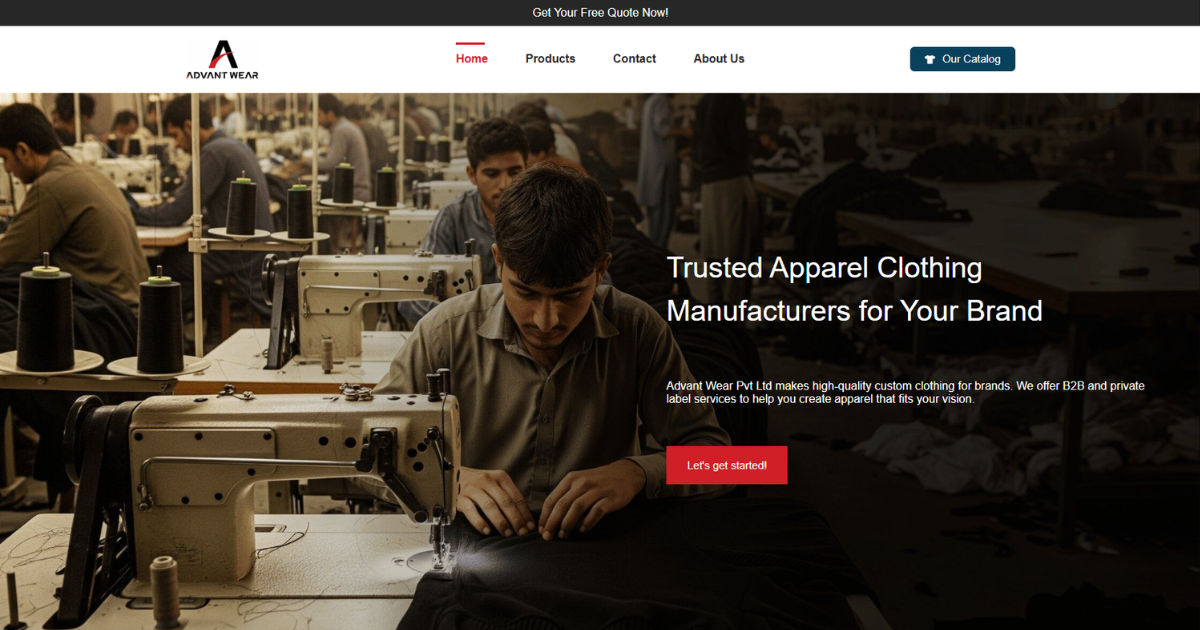
Whether you plan to sell t-shirts, activewear, denim, kidswear, or luxury fashion, USA private label clothing manufacturers can help turn your idea into a real product line.
This guide explains everything you need to know. You will learn what services USA private label clothing manufacturers offer, why businesses choose them, what products they make, how pricing works, and how to choose the right partner.
What Are Private Label Clothing Manufacturers?
Private label clothing manufacturers produce garments that are sold under your brand name instead of theirs. They create clothing based on your labels, packaging, design choices, sizing, and quality standards.
For example, a factory may produce hoodies, but the final hoodie carries your brand tag, logo, and packaging. This means customers see your company, not the factory.
Many brands choose private label clothing manufacturers because it saves time and reduces the cost of building a factory. Instead of owning machines and hiring sewing teams, brands outsource production.
Why Choose USA Manufacturers?
There are many factories worldwide, but USA private label clothing manufacturers offer unique advantages.
Faster Communication
Working with USA private label clothing manufacturers often means easier communication. Shared language, similar time zones, and quick replies can reduce mistakes.
Better Quality Control
Many USA private label clothing manufacturers follow strict standards for stitching, materials, worker safety, and finishing.
Faster Shipping
Domestic production can shorten delivery times. USA private label clothing manufacturers can often ship products faster than overseas suppliers.
Lower Import Risk
Import delays, customs fees, and international shipping problems can hurt brands. Using USA private label clothing manufacturers can reduce those risks.
Made in USA Branding
Many shoppers prefer products made locally. Working with USA private label clothing manufacturers may help your marketing message.
Core Services USA Manufacturers Provide
Most USA private label clothing manufacturers offer more than sewing. They often provide full production support.
Product Development
Many private label clothing manufacturers help turn your idea into a real sample. This may include:
- Fabric recommendations
- Fit suggestions
- Pattern creation
- Size grading
- Prototype samples
This is valuable for new brands with limited experience.
Custom Design Support
Some private label clothing manufacturers allow full customization. You can choose:
- Colors
- Fabric blends
- Neck styles
- Sleeve lengths
- Pocket placement
- Closures
- Stitch styles
This creates a unique collection.
Branding and Labels
A major benefit of private label clothing manufacturers is brand identity. They may provide:
- Woven labels
- Printed neck labels
- Hang tags
- Custom packaging
- Care labels
- Barcode stickers
This makes products retail ready.
Bulk Production
After approval of samples, private label clothing manufacturers begin larger runs. Production quantities depend on the factory.
Some factories accept small minimum orders. Others focus on large wholesale runs.
Quality Inspection
Reliable private label clothing manufacturers inspect garments before shipping. Checks may include:
- Stitch quality
- Measurement accuracy
- Color consistency
- Fabric flaws
- Packaging accuracy
Fulfillment Services
Some private label clothing manufacturers also offer warehousing, packing, and direct shipping to your customers or stores.
Types of Clothing They Produce
USA private label clothing manufacturers produce many categories.
Casualwear
Many private label clothing manufacturers make:
- T-shirts
- Hoodies
- Sweatshirts
- Joggers
- Shorts
- Tank tops
These are common for online brands.
Activewear
Fitness brands often use private label clothing manufacturers for:
- Leggings
- Sports bras
- Compression wear
- Performance tees
- Gym shorts
Streetwear
Modern labels rely on private label clothing manufacturers for oversized fits, premium cotton, graphic blanks, and trendy cuts.
Corporate Apparel
Businesses use private label clothing manufacturers for uniforms, polos, jackets, and staff apparel.
Kidswear
Some private label clothing manufacturers specialize in baby and children’s products with safety-focused materials.
Luxury and Boutique Fashion
Higher-end private label clothing manufacturers may create dresses, blazers, premium knitwear, and custom collections.
Fabric Options They Provide
Fabric selection affects comfort, price, and brand image. Good private label clothing manufacturers usually offer many choices.
Natural Fabrics
- Cotton
- Organic cotton
- Linen
- Hemp
- Wool
Synthetic Fabrics
- Polyester
- Nylon
- Spandex
- Rayon blends
Performance Fabrics
Many private label clothing manufacturers offer moisture-wicking, stretch, anti-odor, or recycled textiles.
Sustainable Materials
Eco-conscious brands often choose private label clothing manufacturers that provide:
- Recycled polyester
- Organic cotton
- Low-impact dyes
- Ethical sourcing
Minimum Order Quantities
Every factory has a minimum order quantity, often called MOQ.
Some startup-friendly private label clothing manufacturers accept 50 to 100 pieces per style. Others require 500 or more.
Smaller MOQs help new brands test products before scaling. Larger MOQs may lower unit costs.
Always ask private label clothing manufacturers about MOQs before starting development.
Pricing and Cost Structure
Pricing varies based on style, fabric, trim, labor, and order volume.
Common costs from private label clothing manufacturers include:
- Sample fees
- Pattern fees
- Fabric costs
- Sewing labor
- Labels and tags
- Packaging
- Shipping
Simple t-shirts cost less than lined jackets or technical activewear.
The cheapest quote is not always best. Experienced private label clothing manufacturers may cost more but save money through fewer defects and better delivery.
Sampling Process
Most private label clothing manufacturers begin with samples before bulk production.
First Sample
This tests design, fit, and construction.
Revision Sample
Changes are made after feedback.
Pre-Production Sample
This final version becomes the production standard.
Strong brands work closely with private label clothing manufacturers during sampling to avoid bulk errors.
Lead Times
Lead time means how long production takes.
Typical timelines with private label clothing manufacturers may look like this:
- Development: 2 to 4 weeks
- Sampling: 2 to 6 weeks
- Bulk production: 4 to 12 weeks
- Shipping: 2 to 7 days domestic
Complex products may take longer.
Who Uses Private Label Manufacturers?
Many business types depend on private label clothing manufacturers.
Ecommerce Startups
New Shopify and Amazon sellers often use private label clothing manufacturers to launch branded apparel quickly.
Influencers and Creators
Social media creators build merch lines through private label clothing manufacturers.
Boutiques
Retail stores use private label clothing manufacturers to sell exclusive in-house products.
Established Brands
Growing companies switch to stronger private label clothing manufacturers when demand increases.
How to Choose the Right Manufacturer
Not all factories fit every brand.
Review Experience
Ask whether private label clothing manufacturers have made your product category before.
Check Quality
Request samples. Quality matters more than promises.
Understand Communication
Reliable private label clothing manufacturers answer clearly and quickly.
Compare MOQs
Choose a factory that matches your budget and sales stage.
Ask About Ethics
Many brands want private label clothing manufacturers with fair labor practices and responsible sourcing.
Read Reviews
Look for feedback from past clients.
Questions to Ask Before Signing
Before working with private label clothing manufacturers, ask:
- What are your minimum orders?
- What are sample costs?
- What is your production timeline?
- Can you source custom fabric?
- What quality checks do you perform?
- Do you offer packaging?
- Can you scale if my orders grow?
- What payment terms do you require?
These questions protect your business.
Common Mistakes to Avoid
Many new brands struggle because they rush the process.
Choosing Only by Price
Cheap private label clothing manufacturers can create expensive problems later.
Skipping Samples
Never approve production without reviewing samples from private label clothing manufacturers.
Weak Tech Packs
Clear product instructions help private label clothing manufacturers make the right item.
Ignoring Contracts
Use written agreements covering timelines, payment, ownership, and standards.
Ordering Too Much Too Soon
Start small. Even great private label clothing manufacturers cannot guarantee instant sales.
Benefits for Small Brands
Small businesses gain major advantages through private label clothing manufacturers.
- No need to own machinery
- Faster product launches
- Lower startup risk
- Professional branding
- Ability to test trends quickly
- Easier scaling over time
That is why many modern apparel companies begin this way.
Benefits for Growing Brands
As sales increase, experienced private label clothing manufacturers can support growth through:
- Higher capacity
- Better sourcing
- Improved consistency
- Multi-style collections
- Seasonal launches
- Warehouse support
Growth becomes smoother with the right partner.
USA vs Overseas Production
Overseas factories may offer lower prices. However, USA private label clothing manufacturers often provide:
- Faster turnaround
- Lower shipping delays
- Easier communication
- Easier visits and audits
- Better domestic branding
The best choice depends on your goals, budget, and timeline.
How to Build a Long-Term Partnership
Strong relationships with private label clothing manufacturers create better results.
Be Organized
Provide accurate files, deadlines, and approvals.
Pay On Time
Reliable clients often receive better service.
Give Forecasts
Sharing future demand helps private label clothing manufacturers plan capacity.
Communicate Respectfully
Professional relationships often lead to priority treatment.
Trends in Private Label Manufacturing
Today’s private label clothing manufacturers are adapting to market trends.
Sustainable Fashion
More eco materials and ethical production.
Small Batch Production
Many private label clothing manufacturers now support lower MOQs.
Faster Drops
Brands want quick trend launches.
Premium Basics
High-quality blank essentials remain popular.
Tech Integration
Some private label clothing manufacturers use digital tracking, automated cutting, and data systems.
Final Checklist Before Launching
Before placing your first order with private label clothing manufacturers, confirm:
- Final approved sample
- Correct labels
- Correct sizing chart
- Packaging approved
- Production timeline set
- Payment terms clear
- Shipping method confirmed
- Quality standards documented
This prevents costly surprises.
Detailed Conclusion
USA private label clothing manufacturers provide far more than clothing production. They help transform ideas into finished branded products ready for sale. From fabric sourcing and pattern making to labeling, packaging, quality checks, and shipping, these partners can support nearly every stage of building a fashion business.
For startups, they reduce risk and simplify launching a brand. For growing companies, they offer scale, consistency, and stronger supply chains. For established labels, they provide speed, premium quality, and domestic production advantages.
The best results come from choosing private label clothing manufacturers that match your goals, budget, style category, and communication needs. Do not focus only on price. Focus on quality, reliability, flexibility, and long-term fit.
If you want to build a trusted clothing brand, the right USA private label clothing manufacturers can become one of your most valuable business assets. They do not just make garments. They help create reputation, customer loyalty, and future growth.